20hr Yin Yoga 2.0 - An Evidenced-Based Approach
April 10th - 12th, 2026 • Berlin-Prenzlauer Berg, Germany
Language: German

This Yin Yoga training goes beyond the traditional aspects of a Yin Yoga practice and offers a deeper exploration of the physiological and psychological dimensions of Yin Yoga.
Yin Yoga is a slow and meditative style of yoga in which postures are typically held for several minutes while the muscles remain largely relaxed and passive.
Many commonly held beliefs—such as the of “stuck fascia” and „fascial release“ arebased on assumptions that are not clearly supported by scientific evidence.
The aim of this training is to develop a clearer, evidence-informed understanding of the mechanisms behind Yin Yoga practice, enabling you to teach Yin Yoga in a well-informed, responsible, and professional way.
This training is suitable for yoga teachers and experienced practitioners who are new to Yin Yoga, as well as for teachers who already have experience and would like to explore Yin Yoga from a physiological perspective.
Upon successful completion, you will receive a 20-hour certificate accredited by Yoga Alliance (YACEP).
Are you confused by the many claims surrounding Yin Yoga and not sure what is actually supported by science?
Did teaching from the perspective of the meridians not feel authentic to you? Do you ever have doubts about common claims regarding the effects of Yin Yoga?
Have you heard that Yin Yoga “hydrates fascia”, “releases stuck tissue”, or “myofascial release releases fascia” — and wondered what the evidence really says?
Do you want to understand the physiological and neurological mechanisms behind stretching and long-held postures?
Are you curious about what research actually tells us about flexibility, adaptation, and the effects of passive stretching?
Do you want to teach Yin Yoga in a way that is informed, responsible, and grounded in current knowledge?
Who is this training for?
If you are the kind of teacher who likes to ask why, this training is designed for you. This Yin Yoga training explores the practice from an evidence-informed perspective and looks beyond common narratives often repeated in the yoga world. You will gain a deeper understanding of the mechanisms behind flexibility, the role of the nervous system in movement, and how long-held postures can influence the body and mind.
The training combines theory with practice and focuses on helping you develop clarity, confidence, and critical thinking in your teaching. The course is regularly refined and updated as research evolves and our understanding of movement, adaptation, and pain continues to develop.
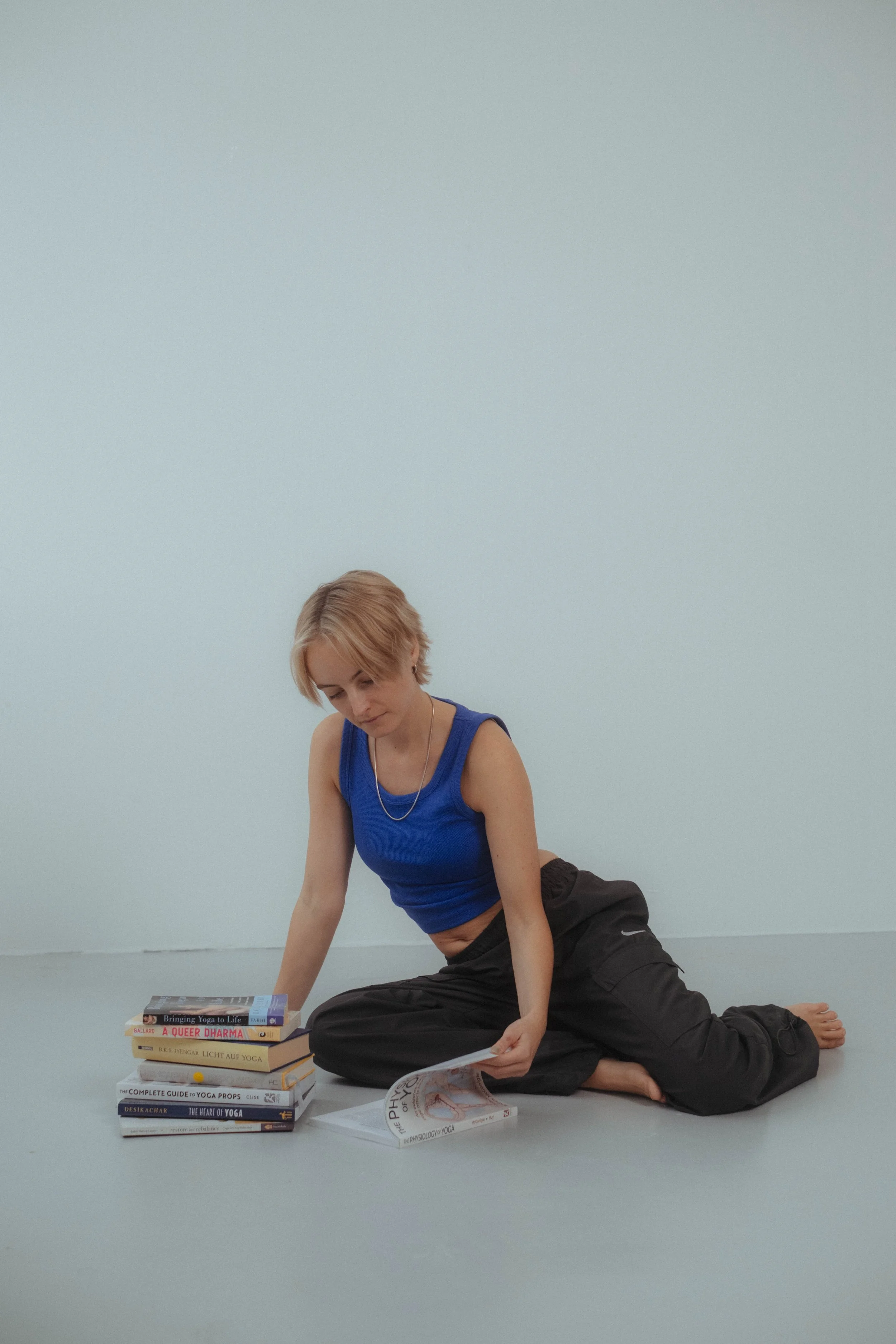
Training Content
History and philosophy of Yin Yoga
Foundations of an evidence-based approach to teaching yoga
A critical look at common claims and assumptions in Yin Yoga
Understanding the effects of Yin Yoga through a nuanced, evidence-informed perspective
Flexibility and its neurological mechanisms
What stretching actually does — scientific evidence instead of myths
Sequencing based on the 8 target areas in Yin Yoga
Principles of functional alignment
Foundational Yin Yoga postures and their variations and adaptations
Teaching methodology: how language can influence movement
Training Price
450€
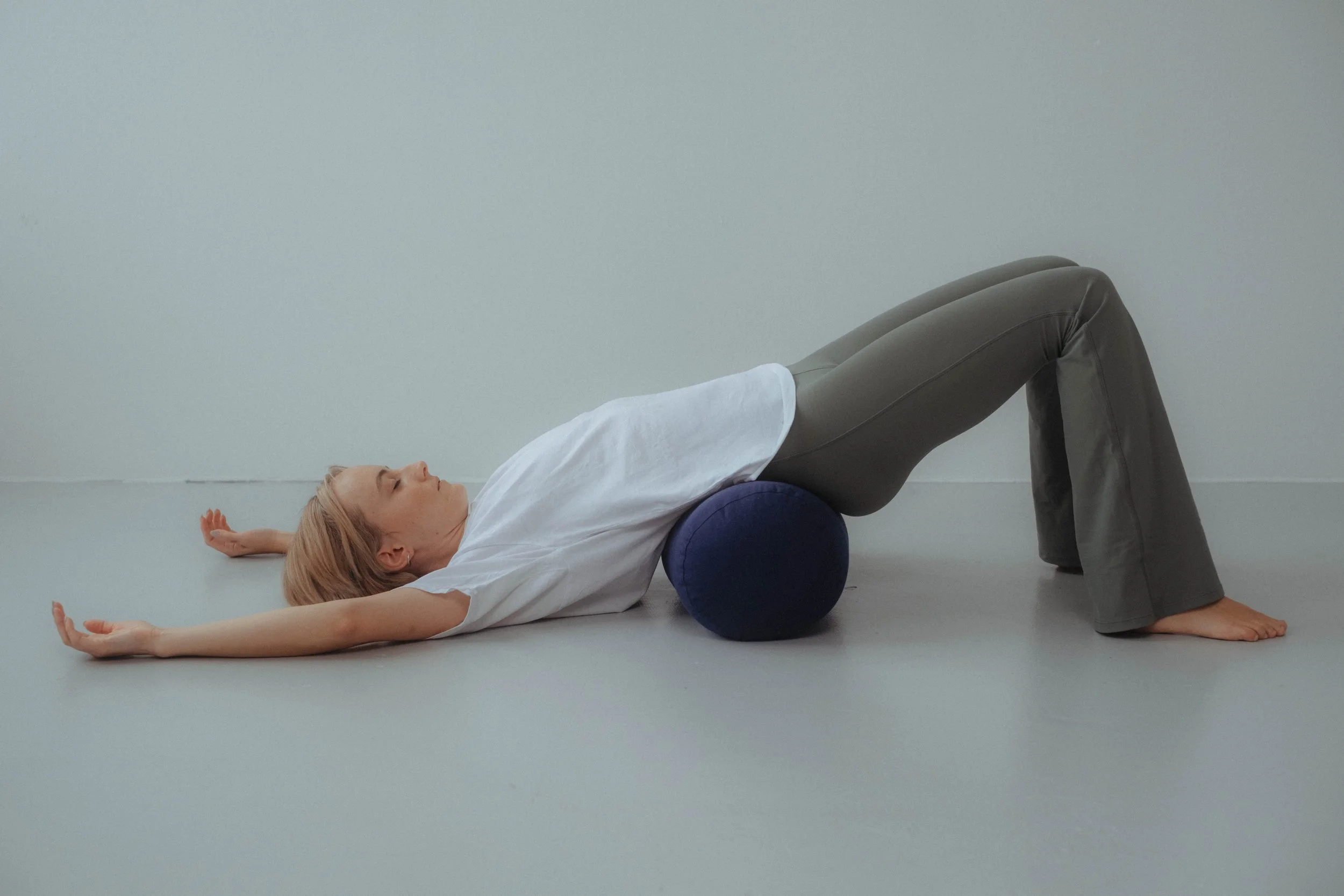
Schedule
Friday: 12.00 - 18.00
Saturday: 9.00-18.00
Sunday: 9.00-17.00
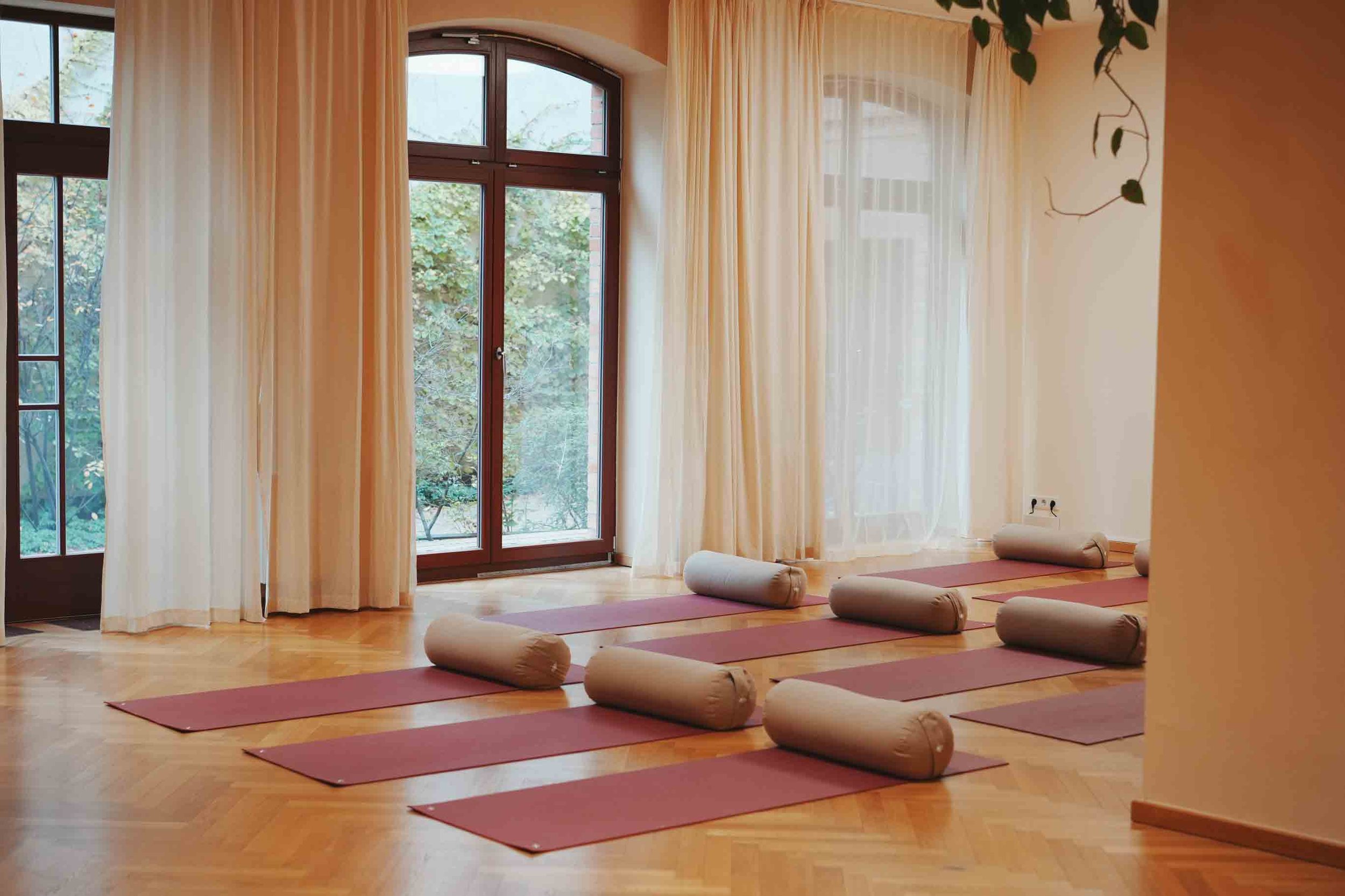
Location
YogaCircle Akademie Berlin
Lychener Str. 11
10437 Berlin-Prenzlauer Berg
What you will take with you
An evidenced based approach on teaching yin yoga
Understand the physiology behind yin yoga
A critical view on common yoga claims
Understand yin yoga from a more evidenced based view
20hr YACEP certificate

Meet your Teacher
Julia Schabenberger
M.Sc. Psychology • Systemic Family Counselor DGSF • Yoga teacher
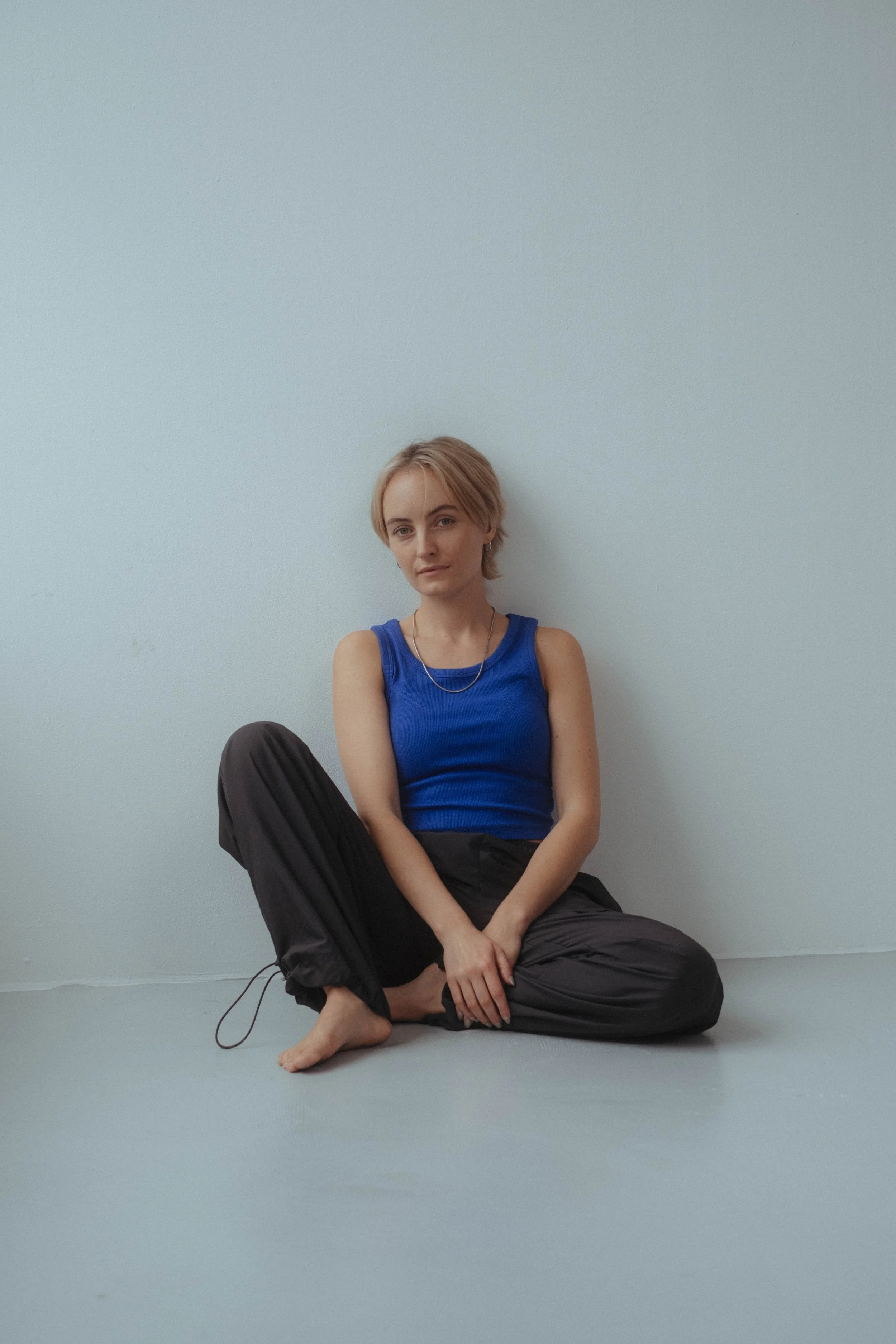
“I did my first yoga training in Berlin in 2016, a few years after I discovered yoga. Since then, yoga has defined itself completely differently for me.
It is important to me to teach yoga in a down-to-earth and accessible way. The holistic approach of yoga helps me cope better with my everyday life and gives me a sense of balance.
I am always impressed by the diversity and depth of this practice. It is important to me to keep a curious and open view of things. At the same time, I am also critical and only teach what I myself consider to be useful.
It took me a long time to find my own teaching style—and I'm constantly developing it. I enjoy learning new things and often ask critical questions.”