How I weave dream work into my retreats
Olivia Köhler from Kailo Nature Therapy shares insights into how she incorporates Jungian dream work into her retreat facilitation
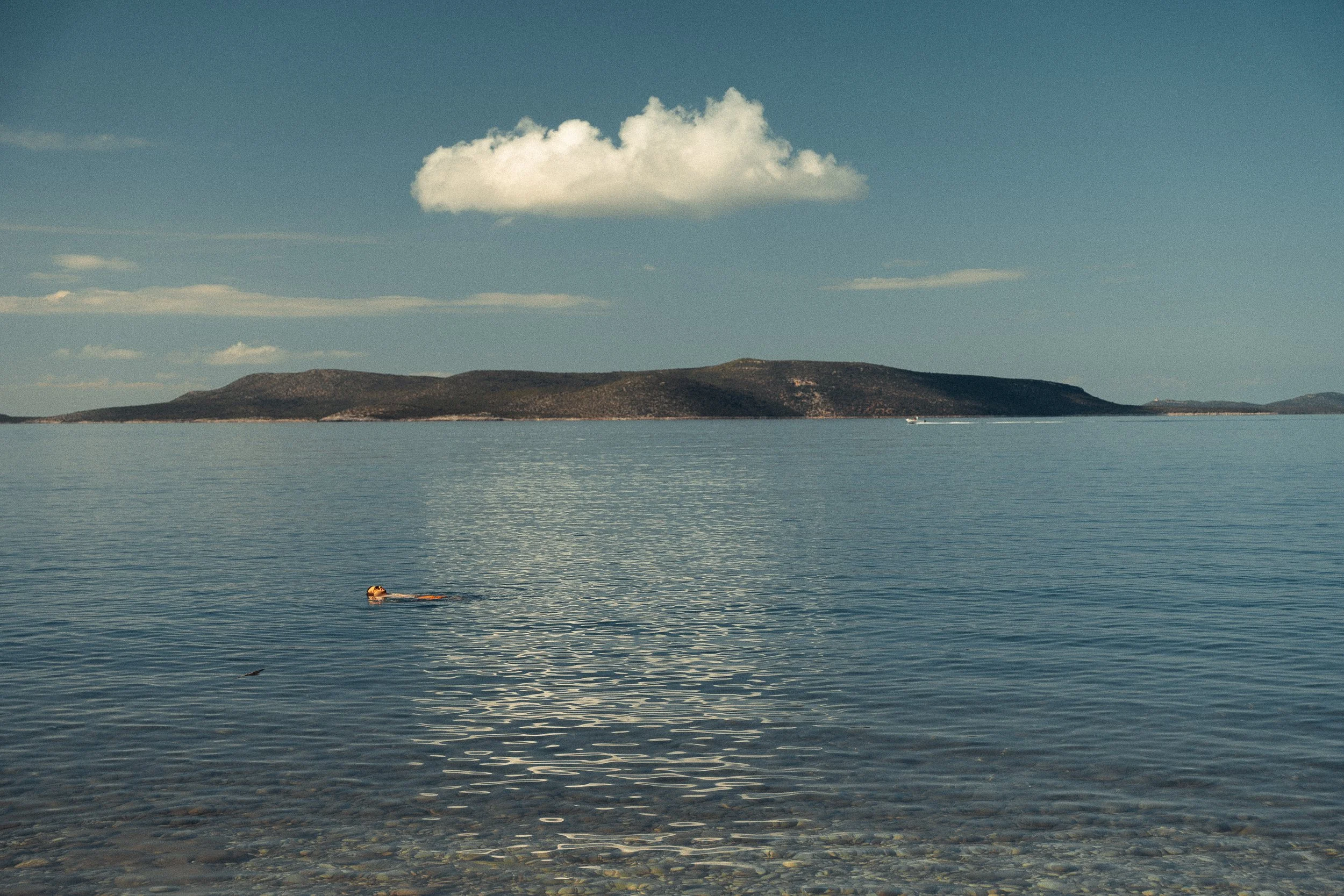
All photos by Islam Naser
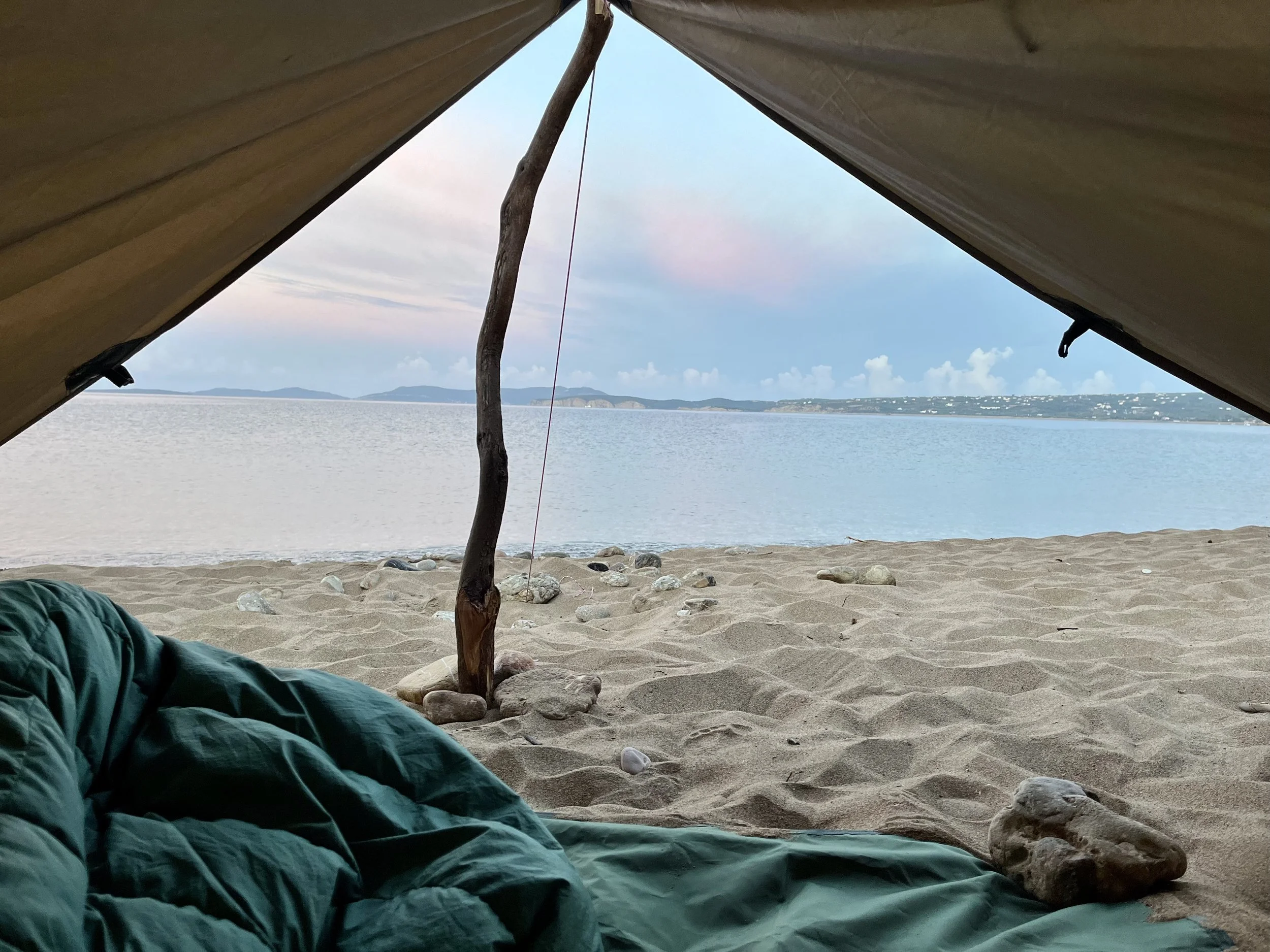
Just under a tarp on a wild beach in Greece, we spend our first night together. The morning arrives slowly. The fire is already crackling, the sun is beginning to rise above the soft hills, the air is still cool. Something has shifted. The field feels different. More awake, somehow.
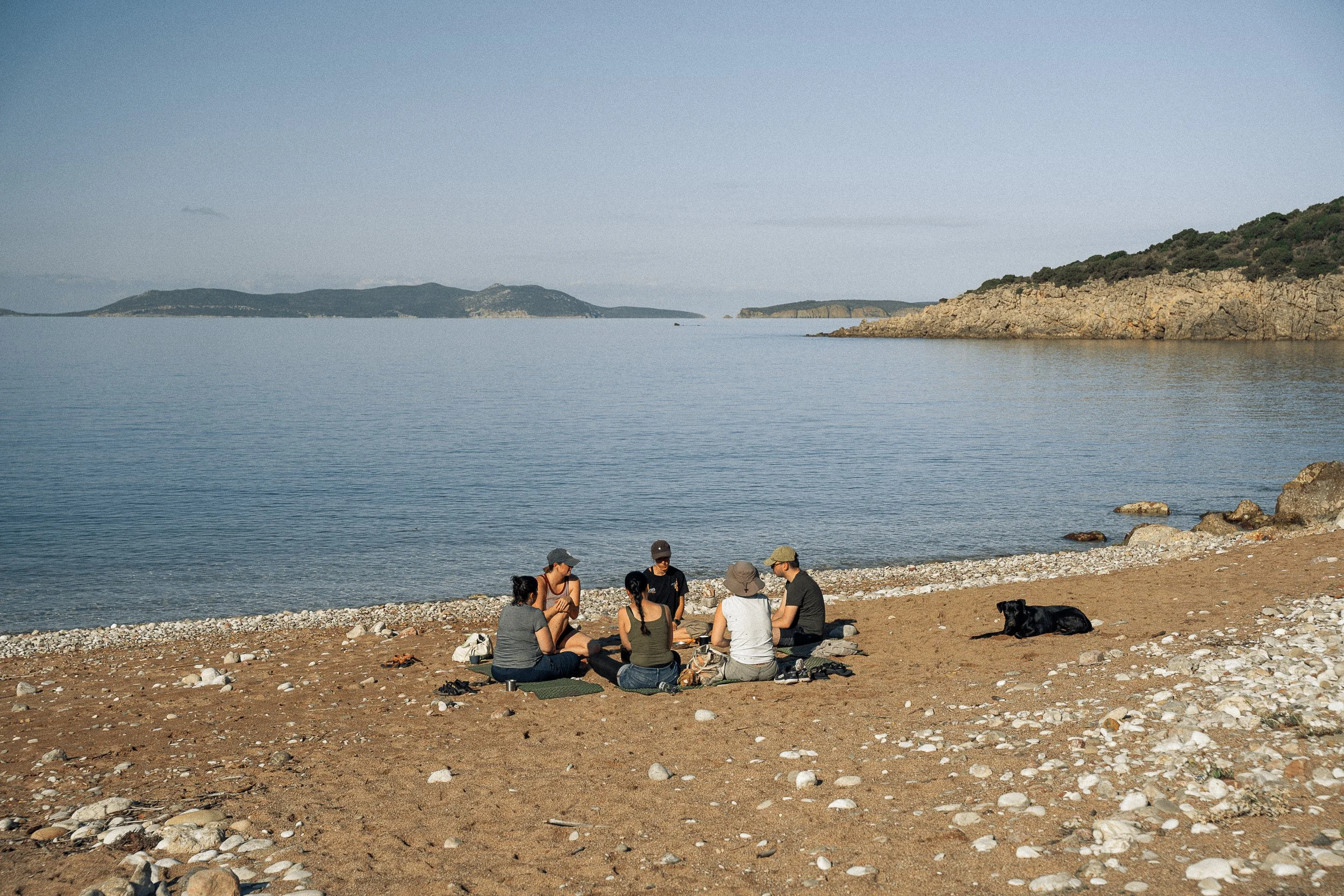
I open the daily sharing circle once everyone has finished eating. “What did the night bring?” I ask. “What is alive in you right now? Any dreams?”
Alex clears her throat and begins to speak. Her night was memorable. She woke in the middle of the night and saw a sky full of stars above her, heard the quiet rhythm of the waves nearby, and felt held, knowing the group was close. When she fell asleep again, a dream came. She woke immediately and wrote it down, following that old practice of catching dreams before they slip away.
“In the dream,” she says, “I’m at home. It’s a house with a garden. There are female saleswomen trying to come inside. I don’t want them there, so I keep running around the house, making sure all the doors are locked, trying to keep everyone out, even if they’ve already entered the garden.”
This is where dream work begins. In this kind of witnessing. In the willingness to stay with an image offered by the unconscious and let it work on us.
Listening to the language of the psyche
From a Jungian perspective, this dream is not random. It is a symbolic expression of something alive in the psyche. The house represents her inner self. The female figures at the threshold are psychic contents seeking entry into consciousness. What’s striking is her response: frantically locking doors, even after they’ve entered the garden.
It’s an archetypal threshold moment: something new pressing to emerge, meeting resistance. I’d never impose meaning. Instead, I ask the dreamer: Where do you see this pattern in your life? What wants in that you’re holding back? Dream work becomes a conversation between dreamer and psyche.
How I found my way into dream work
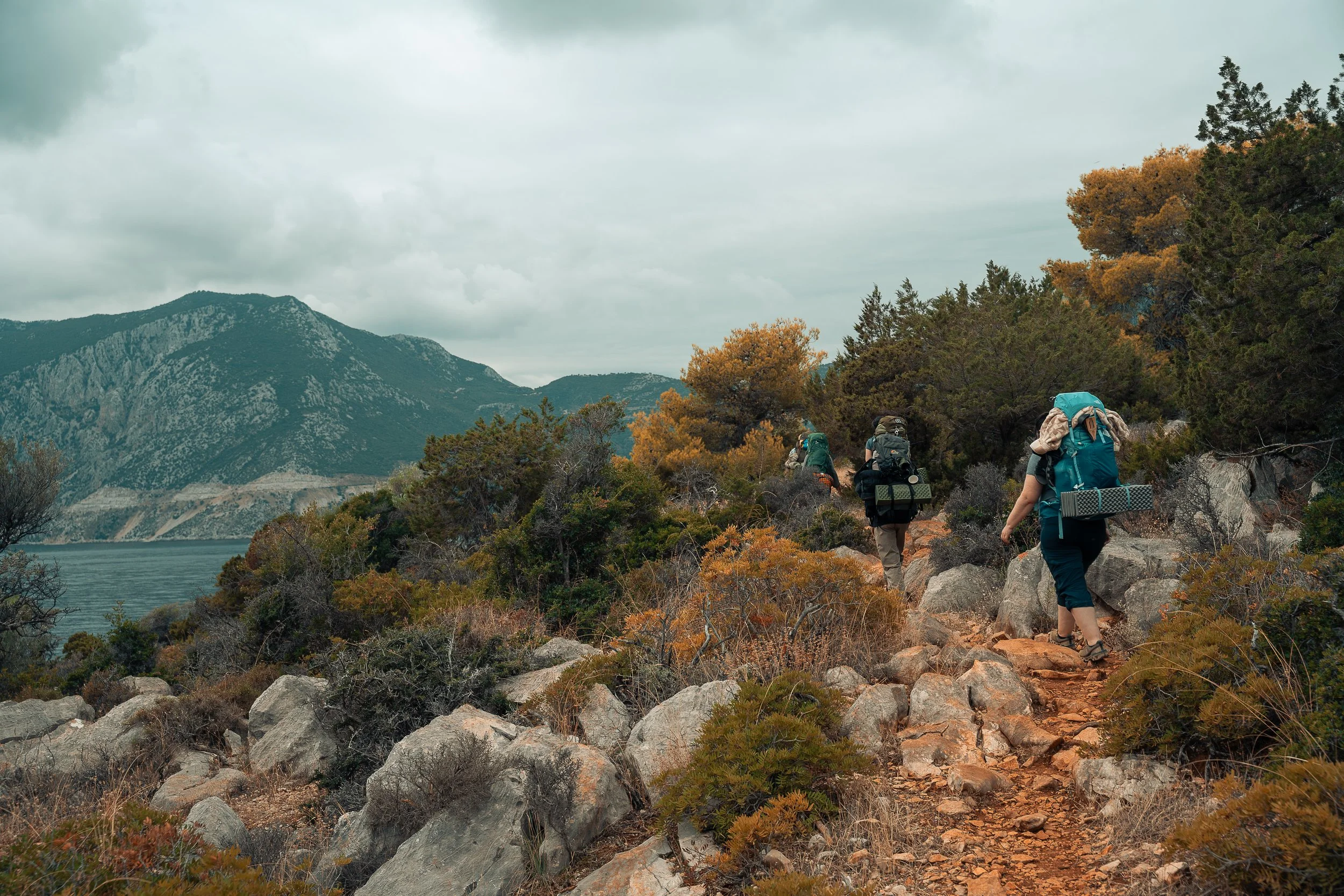
My first personal encounter with dream work came during my nature therapy training while spending several days outdoors. A vivid dream demanded attention. When I shared it with my trainer Habiba, her simple reflections clicked. Suddenly I saw what my psyche was showing me. The dream became my guide through transition.
More recently, I’ve realized my annual visit to the Sanctuary of Asclepius - where I begin each of my Greece retreats - is anything but accidental. What draws me most is the abaton: the open pavilion where ancient pilgrims slept after rituals to receive healing dreams from the god himself. These dreams were understood as medicine, explored the next day with priests who served as early therapists.
The word “therapist” comes from the Greek therapeia - to attend or care for - originally describing those who tended to the gods, and later, to the soul’s wellbeing. Dream work as healing is ancient. We’ve been listening to the unconscious this way for thousands of years.
Today, dream work is one of the threads I gently weave into my Kailo Nature Therapy retreats across diverse landscapes: wild beaches in Greece, the desert in Egypt, forests in Brandenburg. My studies in archetypal dream work with Jungian analyst Dr. Michael Conforti have deepened my understanding of dreams as expressions of the self and shown me how to work with more depth in retreat settings, especially for those who are open to this kind of inner exploration. Still, my approach remains spacious and invitational. Nothing is forced. Dream work is offered as a way of listening more closely to what moves beneath the surface.
Why dreams matter
I structure my retreats around a simple premise: the unconscious communicates through images, symbols, and stories. Dreams are one of its most direct languages.
In our highly rational world, we tend to dismiss dreams quickly. We wake up and move on. In doing so, we lose contact with a layer of intelligence that does not speak in logic, but in meaning.
What I value in the Jungian approach is that it does not pathologize. We are not asking what is wrong. We are asking what is being shown. What wants attention? What is trying to come into relationship with us?
Creating space for dreams
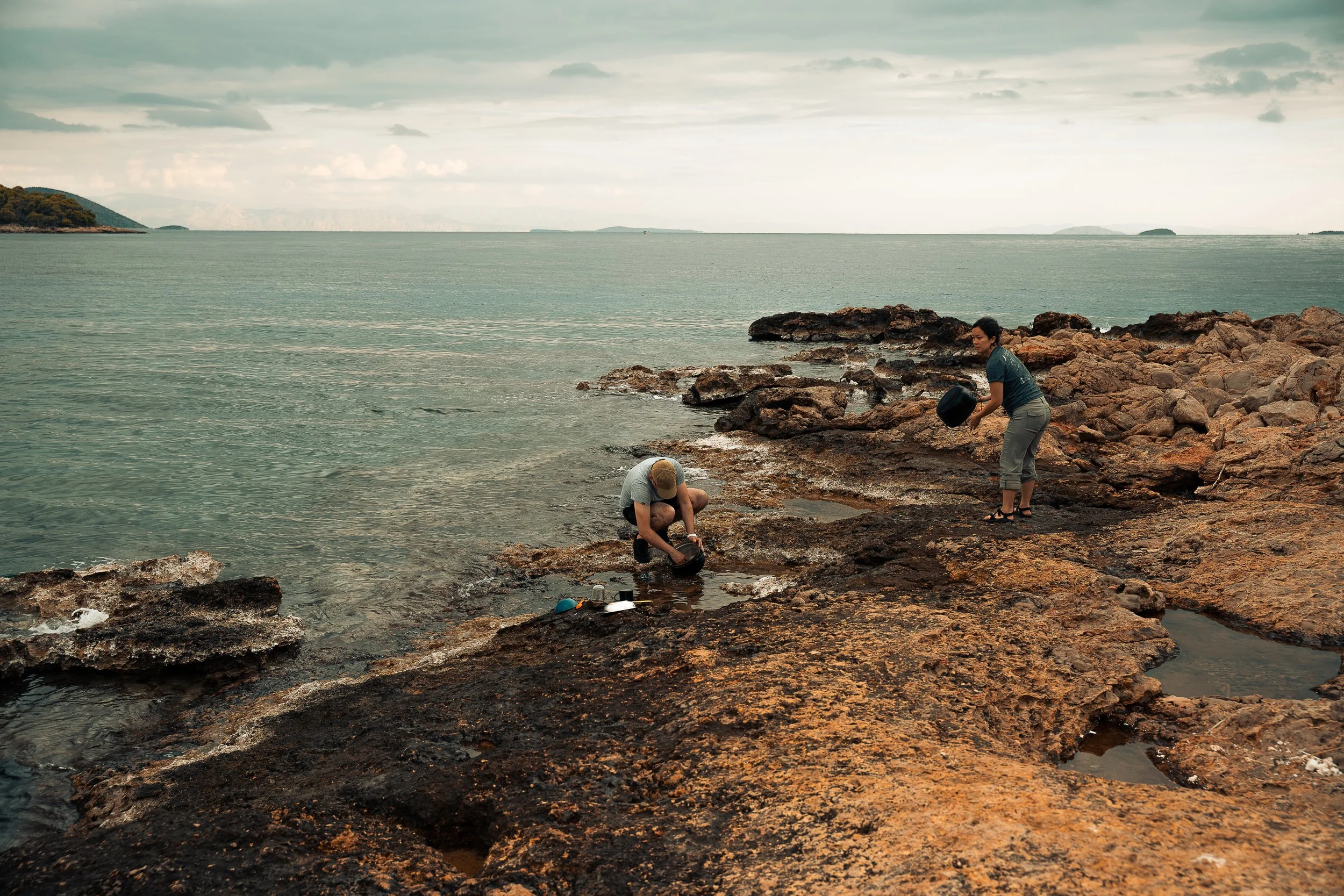
I do not require participants to bring dreams or commit to dream work. Instead, I offer entry points.
Often, it begins with a simple question in the morning: “Did anything stay with you from the night?” Sometimes this opens into a full dream. Sometimes it is only a fragment, a color, a feeling. Even the smallest image can carry significance.
The conditions of the retreat naturally support dream recall. Time in nature, reduced digital input, slower rhythms, and sleeping outdoors all seem to invite the psyche to speak more clearly. I encourage participants to keep a notebook nearby and write without interpreting. The act of writing alone signals that this inner language is welcome.
Even those who initially say they never dream often find that something begins to emerge after a few days.
When the unconscious comes closer
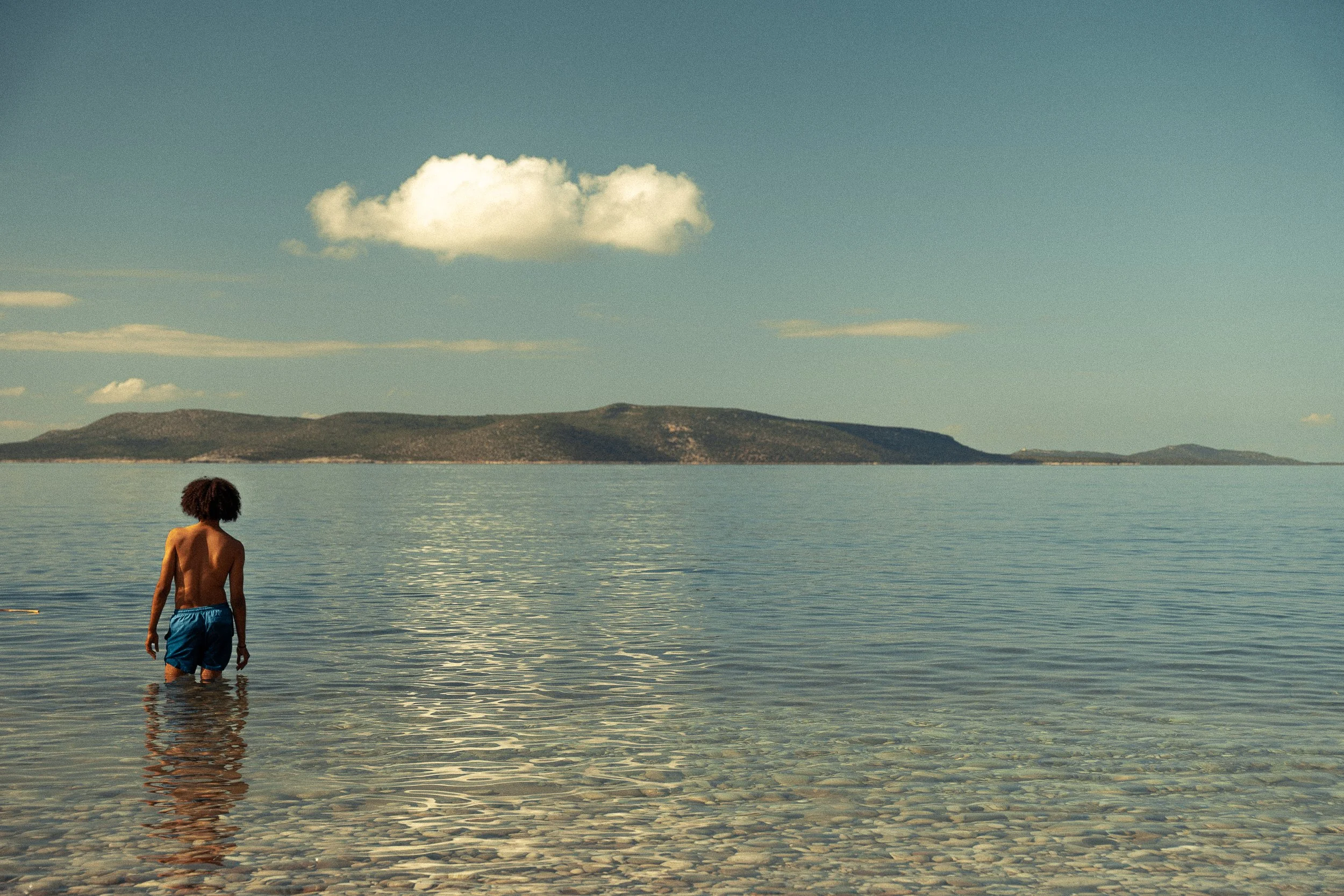
Dream work is powerful in retreat settings because it bypasses the stories we consciously tell about ourselves.
People arrive with narratives about who they are and what they struggle with. These narratives matter, but they can also be limiting. Dreams move differently. They bring images that surprise us, unsettle us, or open something entirely new.
I have seen participants encounter parts of themselves they did not know existed: a recurring animal, a childhood place, a stranger who feels deeply familiar.
In the quiet of nature, something softens. The distance between conscious and unconscious becomes thinner. Dream work becomes less about effort and more about listening.
A shared field of meaning
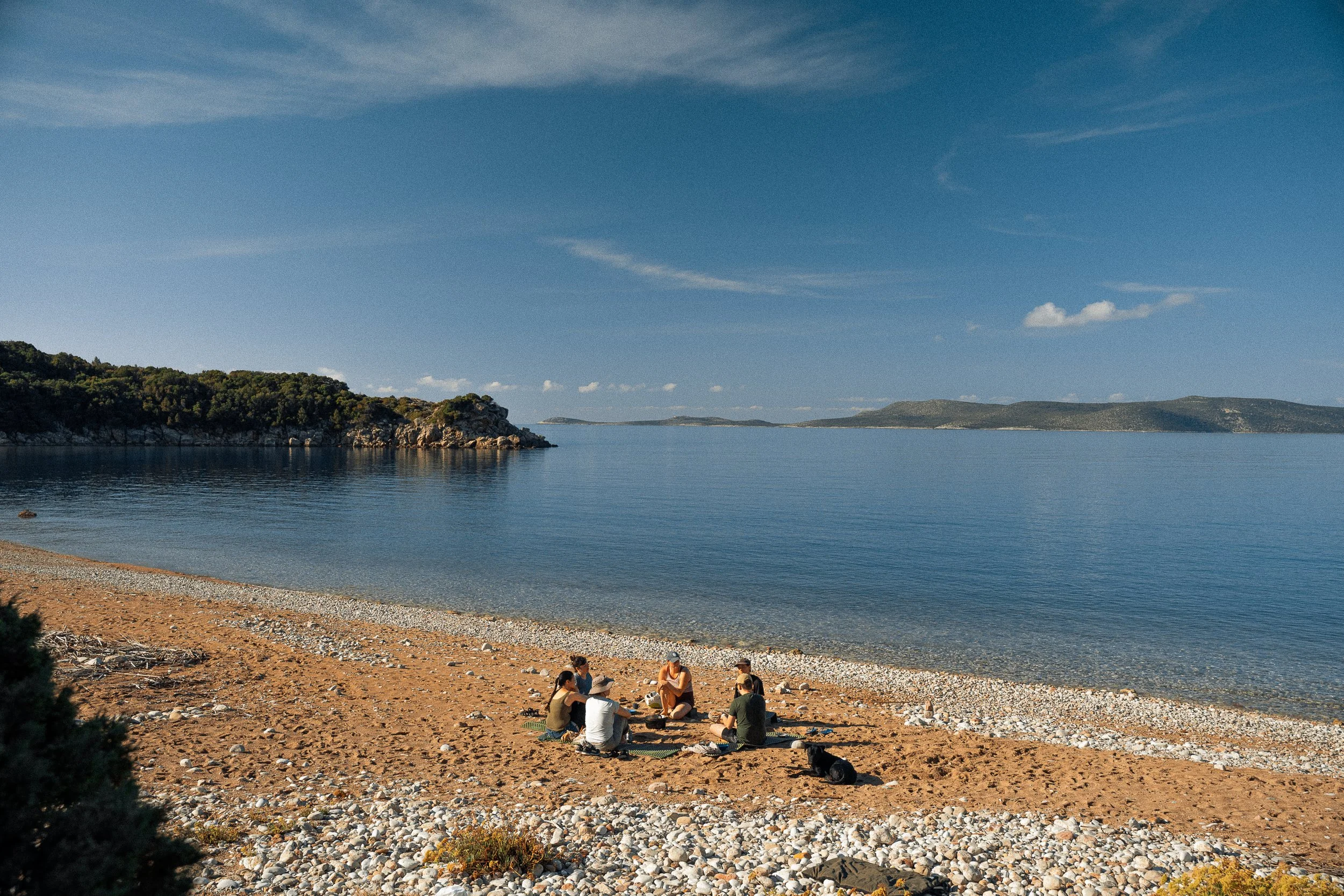
Working with dreams in a group reveals something profound. While each dream is deeply personal, certain themes echo across the circle.
Transitions. Loss. Desire. Fear. Becoming.
When these themes appear in symbolic form, they tend to bypass comparison and move directly into resonance. There is a sense of shared humanity that emerges.
At the same time, each psyche speaks its own language. Holding both the collective and the individual is part of what makes this work so meaningful.
Dream work is only one doorway. Throughout the retreat, I offer many others: nature immersion, reflection, embodied practice, and collective space. For some, insight comes through dreams. For others, through the body or the landscape. What matters is the field that holds it all.
Why dreams remain my guide

About Olivia Köhler
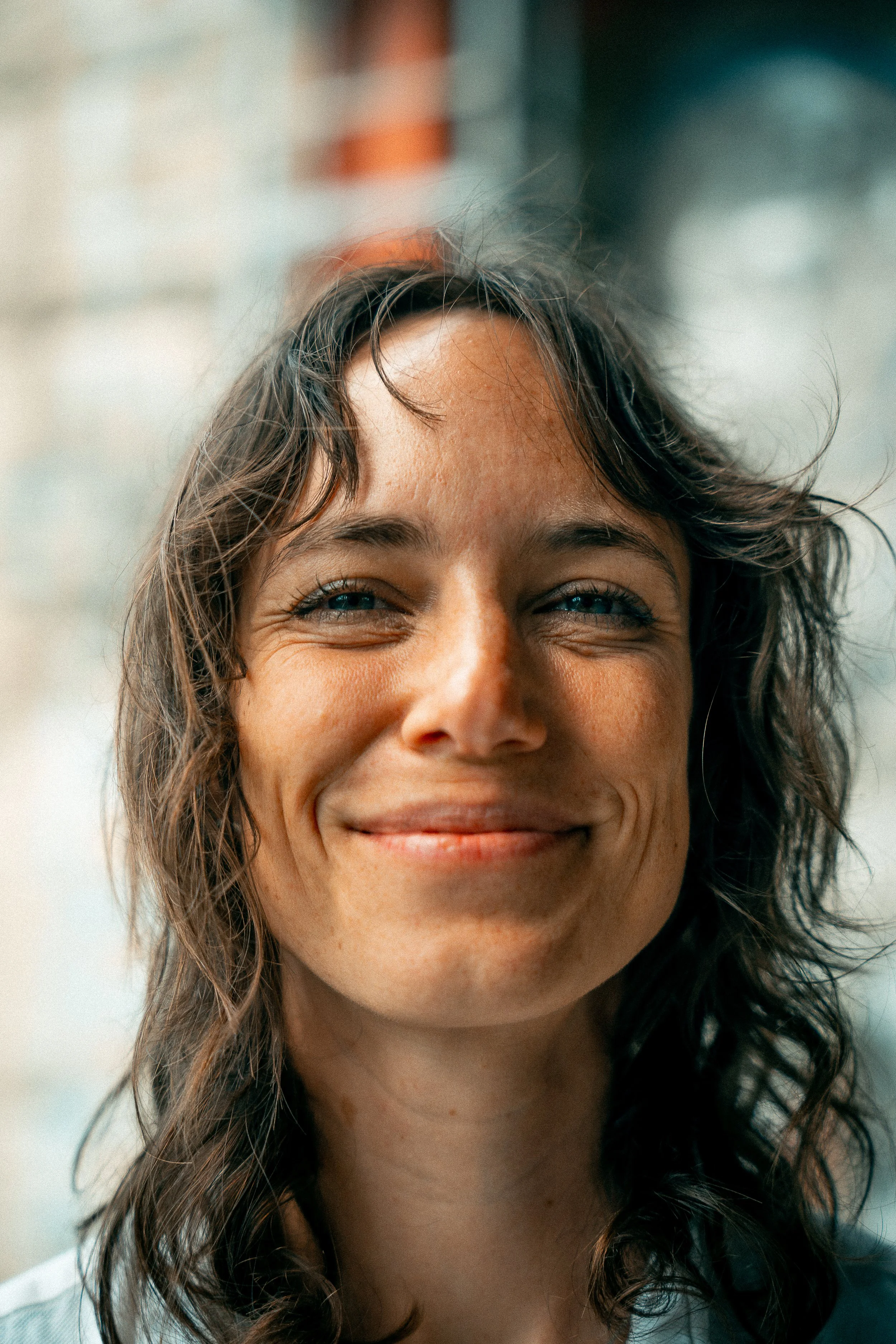
Olivia is a depth psychology guide and systemic nature therapist, specializing in dream work, archetypal patterns, and unconscious experience.
Since 2020, she’s been guiding individuals, groups, and teams through embodied outdoor processes – helping people reconnect with themselves and nature, where body, psyche, and soul weave together naturally.
Upcoming retreats:
→ The Fire Within: A Forest Retreat from May 23rd to May 25th in Finowfurt, Brandenburg (2 SPOTS LEFT!)
→ Children of the Sea: A Retreat on Wild Beaches from October 11th to October 17th in Peloponnese, Greece
→ Journey to Yourself: A Transformative Desert & Sea Retreat from November 14th to November 21st in El Gouna, Egypt