3 Lessons from my Journey Giving Educational Leave Trainings (Bildungsurlaub)
Malte from b23 shares how he began offering Bildungsurlaub with Nikola Küsters, plus lessons and advice for facilitators interested in following this path.
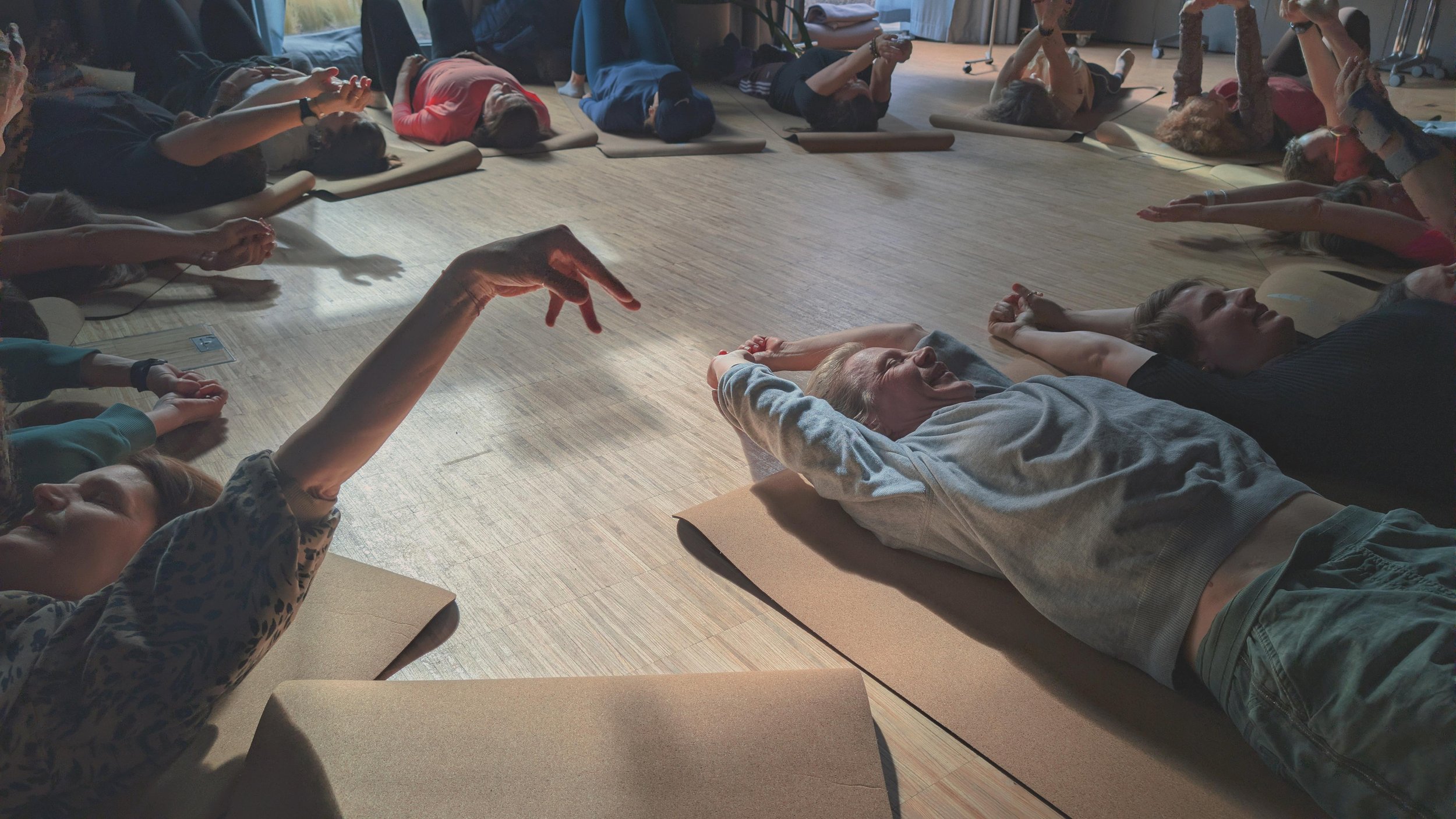
Did you know that if you’re employed in Germany (except in Bavaria and Saxony), you have the right to take 5 extra paid holidays per year for certain educational activities?
If you didn’t, you’re not alone. These activities are called educational leave trainings (or in German “Bildungsurlaub”) and general awareness of their existence tends to be rather low with only 1-2% of employees in Germany using the opportunity. I had no idea about them either, until I met a friend, Nikola Küsters, a polymath of life and passionate movement facilitator, who actually organizes and facilitates them.
Ever since I benefitted from Yoga being offered for very affordable prices through university sports back when I was a student, and then later having my classes partly reimbursed by my health insurance, I’ve been a fan of institutionally supported health and wellness offers. It’s a great way of making them more accessible to people who can’t afford but often most need them. Having access to high-quality health-prevention and personal wellness offers shouldn’t be a matter of privilege and if you ask me, there should be a lot more institutional support for spaces and facilitators to increase the accessibility of their offers while stabilizing their income through that same support.
So naturally, when Nikola suggested we create and offer an educational leave training together, I didn’t have to think long. Within a few productive sessions, we created “Agile Bodies in a Fragile World” - a 5-day seminar focused on grounded and joyful movement and mindfulness practices as well as basic stress education. Our goal is to both empower our participants to find healthier ways of dealing with stress in their lives and offer the experience of how one feels with highly reduced stress at the end of the training. In 2025, we successfully hosted Agile Bodies in a Fragile World two times in Berlin and now in 2026 expanded to four dates in total - two in Berlin and two at the coast in North Germany where Nikola lives.
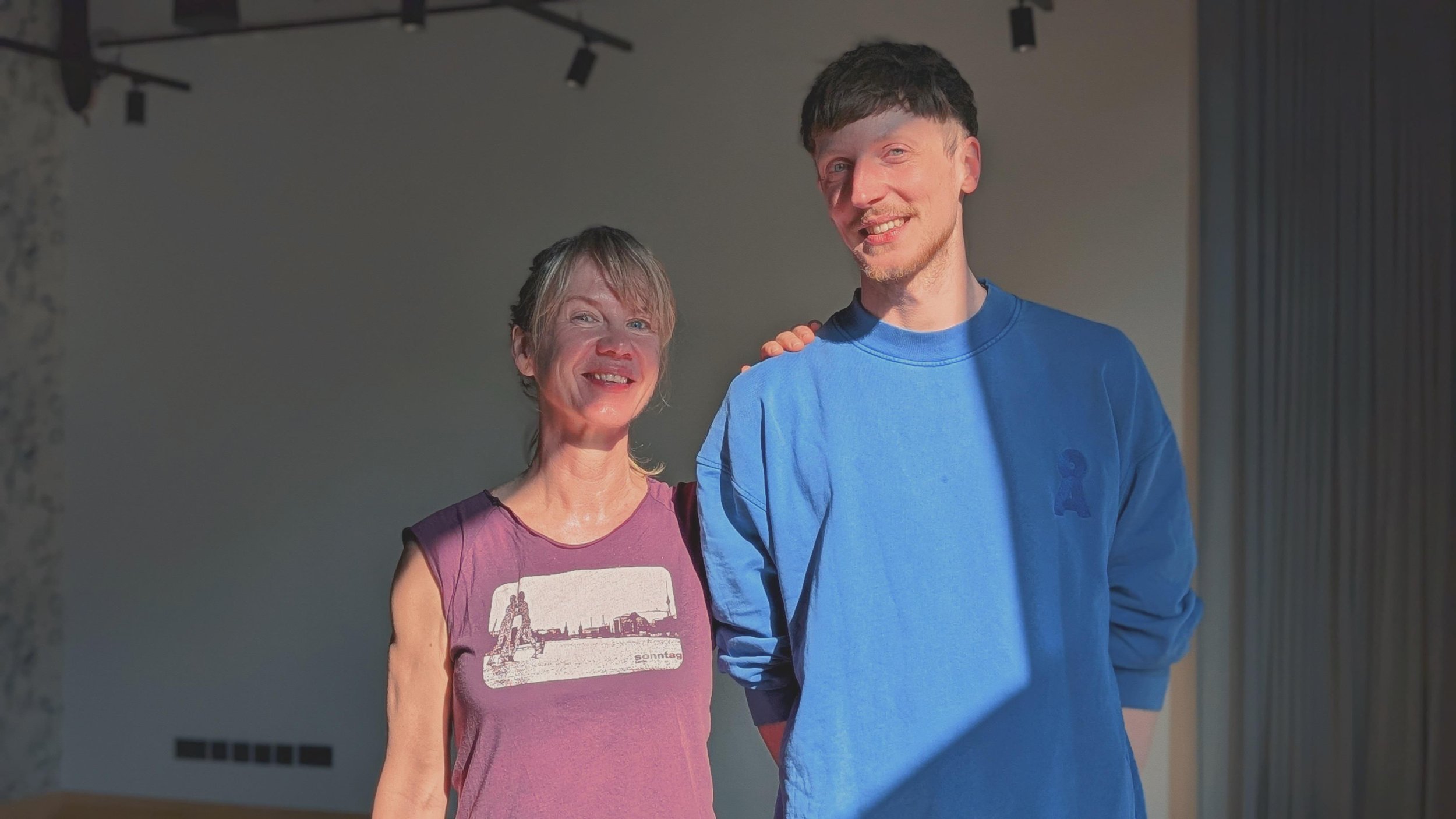
Here are three central lessons I learned on our journey so far:
1. German bureaucracy is crazy, but not insurmountable.
Germany wouldn’t be Germany if its bureaucrats didn’t have something to remark about our initial concept. There should always be a clear employer benefit to the education their employees are engaging in, which we thought was obviously there. Anyhow, we ended up including a mini facilitator training into our seminar to make participants “anti-stress-ambassadors” at their workplace (which we then also turned into the tagline of the seminar). Also, since education is managed on a state-level in Germany, we needed to file an application for each state we wanted people to be able to join from. Each application had to be sent to a different senate of education with different people needing to approve it. Often they required different formats and documents and just because our concept got approved in one state didn’t mean it would in others as well. Yes, German bureaucracy follows its own logic and it often doesn’t make sense from a practical perspective. We have to remember though that in the end, it’s always humans who make decisions and they are mostly trying to help and often have a little wiggle room to work with. Calling the people responsible for our applications directly for example made a big difference and often made things much easier. Also and luckily for me, Nikola’s experience with these processes made it a lot easier.
2. Awareness about educational leave training among expats is basically non-existent.
When doing our research about similar offers to ours that already existed, we noticed that while generally a lot of educational leave trainings were being offered, almost none of them were conducted in English. We immediately saw this as an opportunity. After all, there are many expats working in cities like Berlin and Hamburg who don’t speak German. To our surprise though, the ones most pleased with the training being in English were Germans who wanted to work on their stress-intelligence and their English-skills at the same time. Very few expats joined, and we’re still wondering why. Maybe it’s about coming from different work cultures where taking extra holidays isn’t considered good behavior? Or employers just don’t promote the possibility within their teams, hoping that will lead to it not being used? We’re planning an ad campaign this year to target expats specifically and the results might give us some answers to these questions.
3. Those who visit educational leave trainings are not your typical Yoga retreat people.
As a mindfulness facilitator I was used to participants who have a broad range of experiences with the practices and who already found ways out of chronic stress and into presence. They still need spaces to decompress and work on their self-awareness in a supportive setting, but there is no urgency for relief (most of the time). This was different for many of the people who came to our educational leave training. Some were on the verge of burnout and desperately needed to find a way out of the destructive loops they found themselves in. Finally being offered a chance to decompress and open up in a supportive setting led to many beautiful, yet also challenging moments of release. Holding space was therefore often a more demanding task than what I was used to, forcing me to grow and expand my capacities. I typically finish a week of training with a strange mix of tiredness and exhaustion on the one hand, and a deep sense of gratitude and fulfillment on the other.
Would I recommend other facilitators to go on their own journey with educational leave trainings? I’d say it all depends on you and your strengths & preferences.
Do you have the stoic and persistent mindset necessary to fight through the complicated application process?
Are you willing to invest a lot of conceptual and organizational work before your first training?
And are you ready to work with participants who have different needs than the usual guests at your classes and retreats?
If the answer to all of those questions is yes, I’d definitely say go for it! It can be a beautiful way to expand your professional horizon and receive institutional support for your work. If you have any questions about my journey or how to start your own, please feel free to reach out!

About Malte
Malte is a certified meditation teacher, a DJ and the co-founder of b23 Space. Over the years he deepened his practice through retreats and through his time learning from a Yogi in an Indian ashram. The essence of his work are his own daily practice and his deep curiosity to explore the many ways we can connect with ourselves and others in the present moment. His teaching approach can be described as simple, holistic, playful & heart-centered.
Upcoming Bildungsurlaub
Yoga, Movement & Dance by the Sea Bildungsurlaub
June 15th - June 19th, 2026
📍 Skipperhuset, Tönning, Germany
Agile Bodies in a Fragile World: Become an Anti-Stress Ambassador at your Workplace Bildungsurlaub
September 21st - September 25th, 2026
📍 b23 Space, Berlin-Prenzlauer Berg, Germany
Agile Bodies in a Fragile World: Become an Anti-Stress Ambassador at your Workplace Bildungsurlaub
October 5th - October 9th, 2026
📍 b23 Space, Berlin-Prenzlauer Berg, Germany