Why Pilates is taking over the wellness scene
Pilates teacher and teacher trainer Carolina Sambado shares some insights into why
Pilates has overtaken yoga in popularity in the last years.
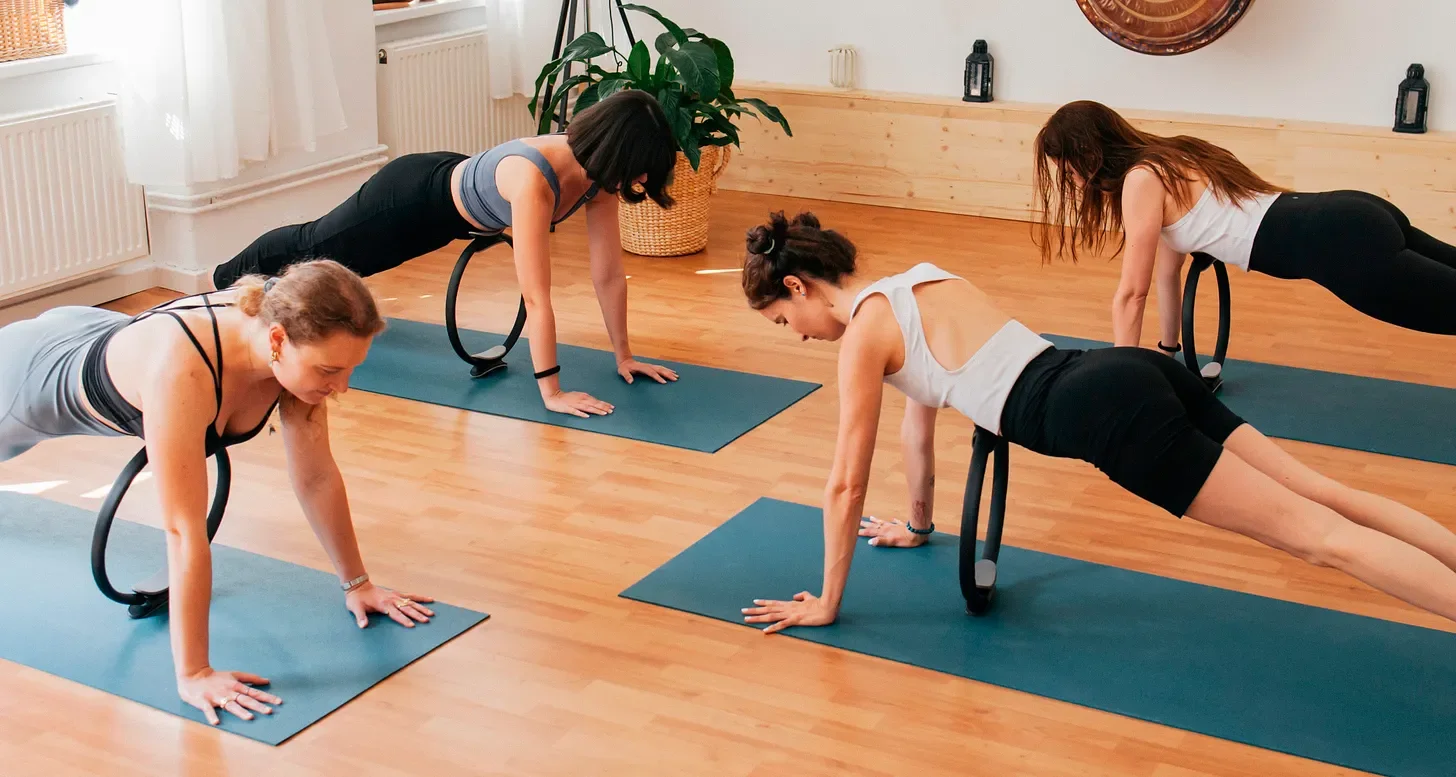
Not so long ago, Pilates was something you’d stumble upon in a small, specialized studio or as a side offering in a yoga space. Fast forward to today, and it’s everywhere. From Reformer studios popping up across Berlin to Megaformer, Lagree and mat classes, the Pilates universe has expanded rapidly - and shows no signs of slowing down.
It has even made its way into pop culture, sometimes in questionable ways, but still reinforcing one thing: Pilates is having a moment.
But what’s really behind this shift? Why are so many people choosing Pilates over other practices?
After more than a decade of teaching and training over 100 teachers, I’ve observed Pilates go from a relatively niche practice to the biggest wellness trend today.
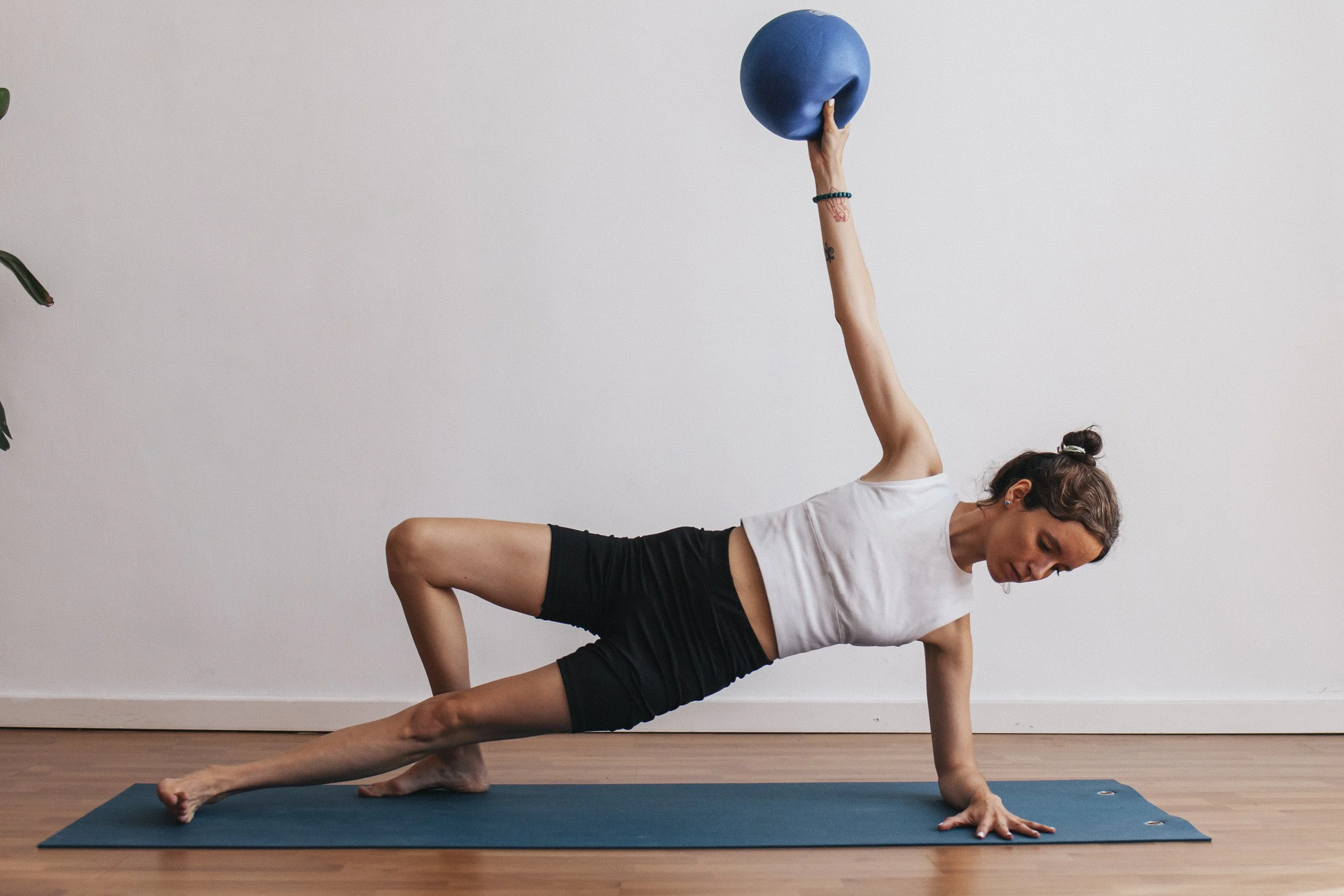
If you ask me, these are the 5 key reasons why Pilates is taking over the wellness scene:
1. A non-spiritual, accessible approach
Unlike yoga, Pilates wasn’t created as a spiritual practice. Developed by Joseph Pilates in the early 20th century, it was designed as a method to strengthen the body, improve posture and support rehabilitation. This makes it highly accessible for people looking for a physical, results-driven practice without a philosophical or spiritual framework.
2. It fits modern schedules
Most Pilates classes are around 45 minutes, a format that aligns perfectly with busy urban lifestyles. You can fit it in before work, during lunch or between meetings, making consistency much easier. And consistency is where the real results happen.
3. It translates directly into daily life
Pilates is deeply focused on alignment, posture and functional movement. What you practice in class - how you sit, stand, walk and move - directly impacts how you feel in your everyday life. It’s not just a workout; it’s a re-education of how you use your body.
4. It builds long-term strength (not just intensity)
Rather than chasing short-term burnout or extreme fatigue, Pilates focuses on controlled, intelligent strength-building. It targets deep stabilizing muscles, improves joint health and creates a balanced body - something especially valuable as longevity and sustainable wellness become priorities.
5. Slower is actually more effective
In a culture obsessed with speed and intensity, Pilates offers something different: precision. By slowing movements down, you increase control, awareness and muscle engagement. The result? More effective training with less risk of injury - and deeper, longer-lasting results.
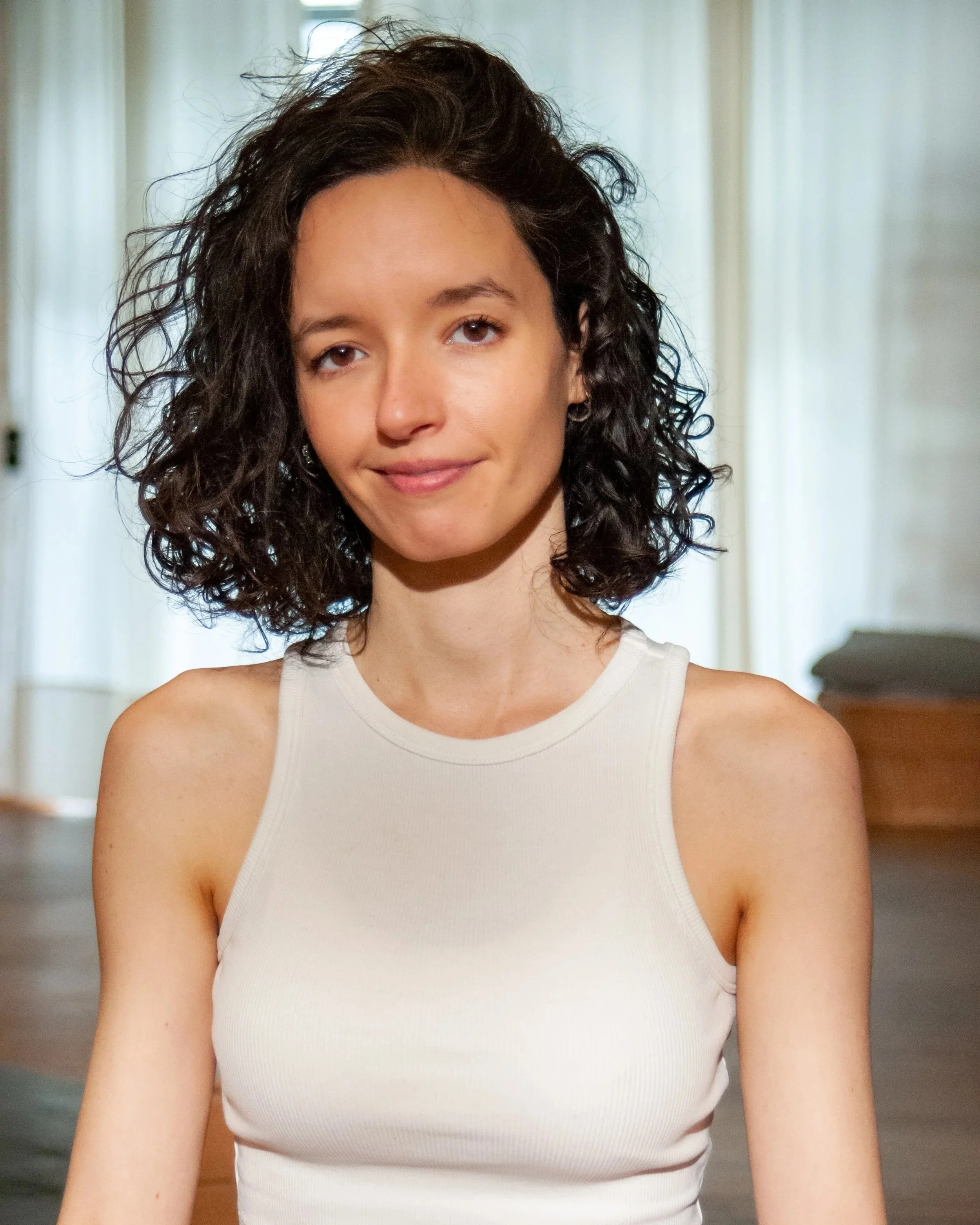
About Carolina Sambado
Carolina is a Pilates teacher and Pilates teacher trainer. This September, Carolina is launching her next Pilates Teacher Training, designed for those who want to understand the method beyond the surface. Whether your goal is to teach or to deepen your personal practice, this program offers a solid foundation in technique, anatomy, and intelligent movement.
It’s a space to learn, question and build a long-term relationship with your body, not just to follow trends.
Applications for the September training are now open:
Pilates Teacher Training
September 5th - November 14th, 2026
Early Bird Price (until June 30th): 1.460€ (+40€ ticket service fee)
📍 Berlin-Prenzlauer Berg, Germany & Online