Inside Berlin Breathwork Days: 6 Experts on the Art & Science of Breathwork
Yasmine Orth shares the vision behind Berlin Breathwork Days, co-created with Prof. Dr. Isabel Dziobek, and introduces six experts joining this year's edition.
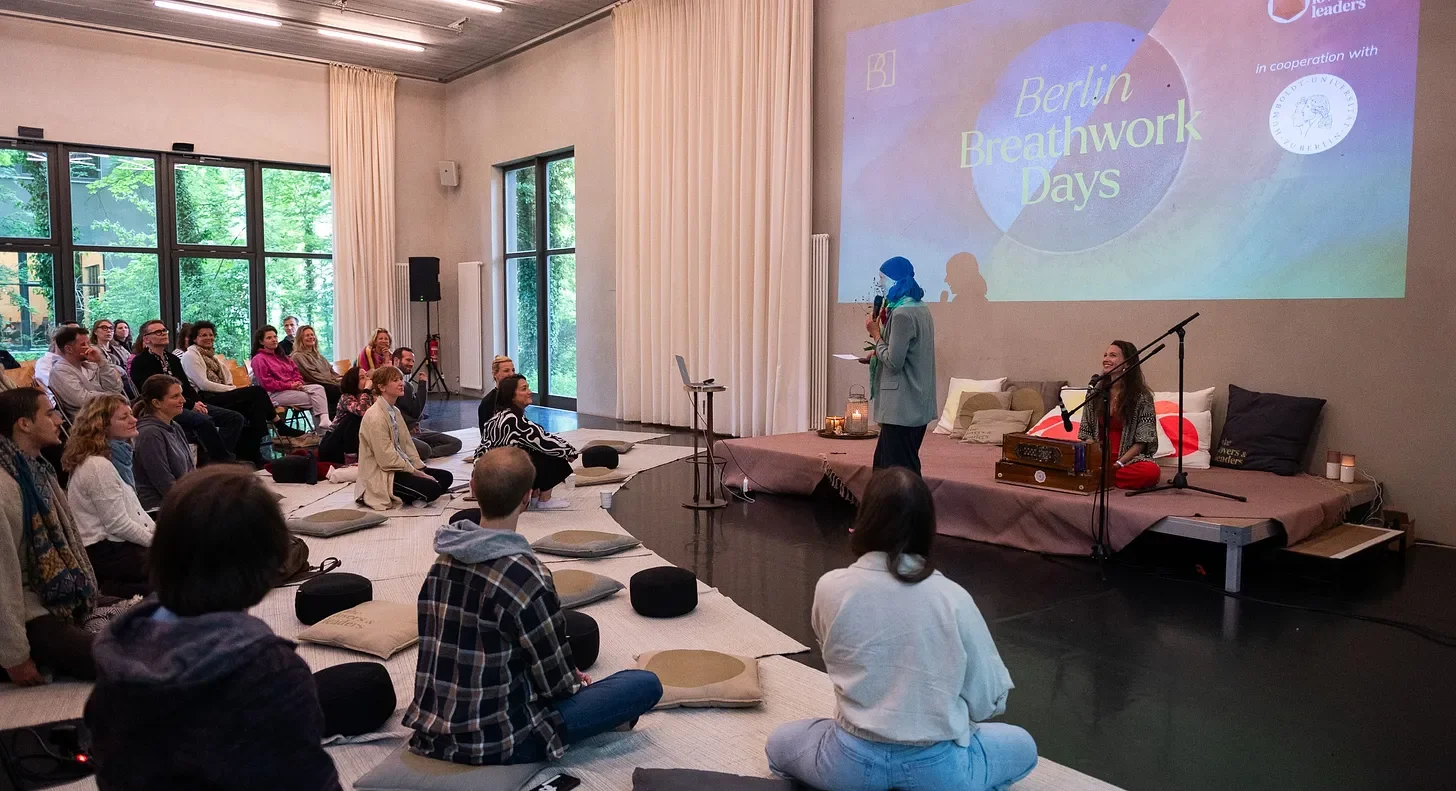
Yasmine Orth: I had already been creating spaces in the mindfulness field for many years when breathwork became a key part of my own journey and I began facilitating sessions myself. As the field continues to grow, I feel a strong need to create a space that connects scientific perspectives with lived, practical experience, and actively contributes to more clarity and integrity within the field, while creating a space for community, connection, and shared experience.
Berlin Breathwork Days was created in close partnership and friendship with Prof. Dr. Isabel Dziobek, Professor of Clinical Psychology at Humboldt University in Berlin and a leading researcher on breathwork and mental health. As key academic partner, she brings an essential scientific perspective to the summit.
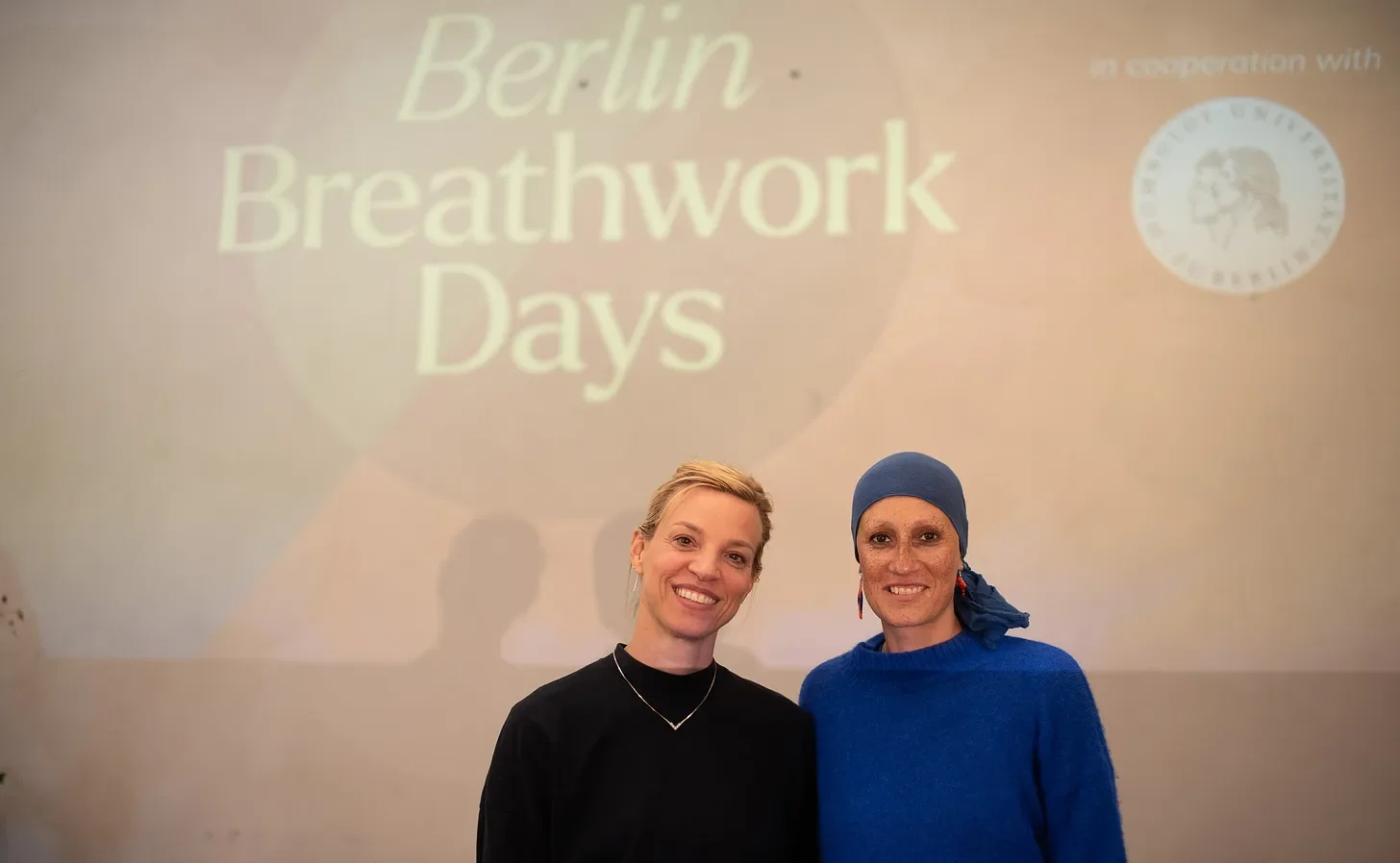
Left, Dr. Isabel Dziobek, right, Yasmine Orth
To give you a preview of what you can expect from Berlin Breathwork Days, we’ve invited 6 of the breathwork facilitators and researchers that will be joining us at the 2026 edition to share their stories and what they’ll be bringing to the summit:
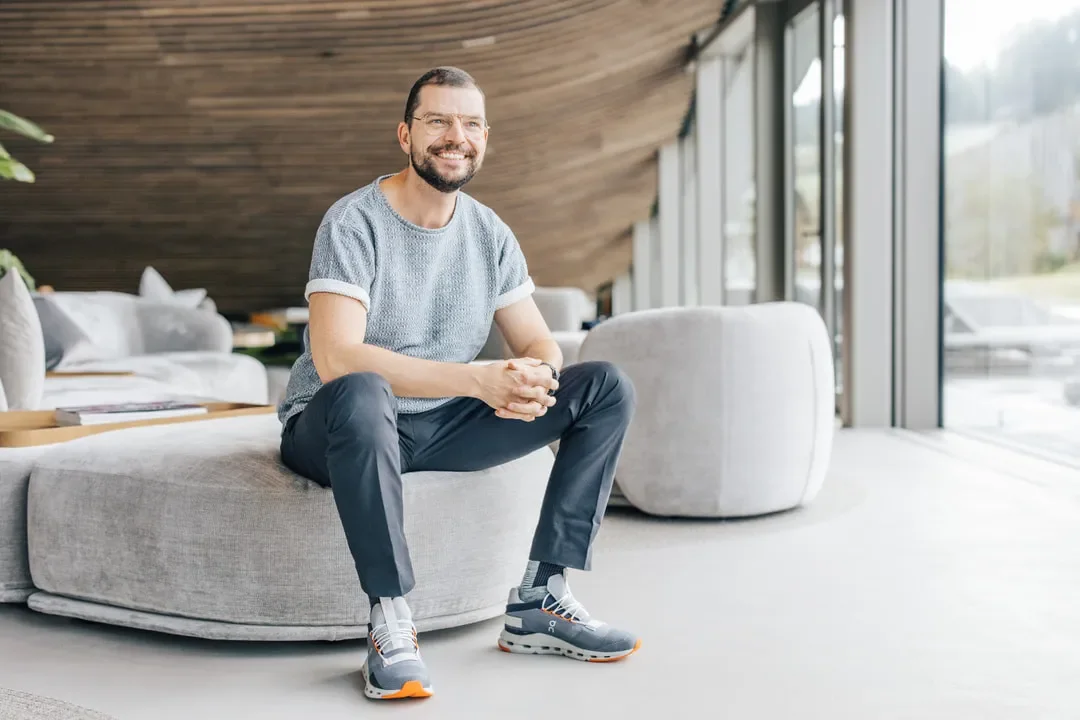
Sukkhadas Auer
Wim Hof Method® instructor (Level 2) and meditation teacher
What first drew you to breathwork?
I had hit a real low point in my life – burnout, depression, six weeks in a day clinic with barely any change. Then a friend introduced me to breathwork by chance. That first breath in the right direction changed everything.
What will you be sharing at Berlin Breathwork Days?
I’ll be sharing simple breathwork techniques to regulate your nervous system, boost your immune system and reduce stress – plus a guided ice bath session. We can easily use natural stressors to build resilience.
Can you share about your current project “7 Ice Summits of the Alps”?
What began as healing from burnout became a world record attempt: climbing the highest summits from the 7 alpine countries in nothing but shorts at temperatures as low as -20°C wind chill. Five done – Mont Blanc awaits in June, side by side with my son. My book ‘Mind over Mountain’ about the project arrives Oct 21 with Goldmann Verlag.
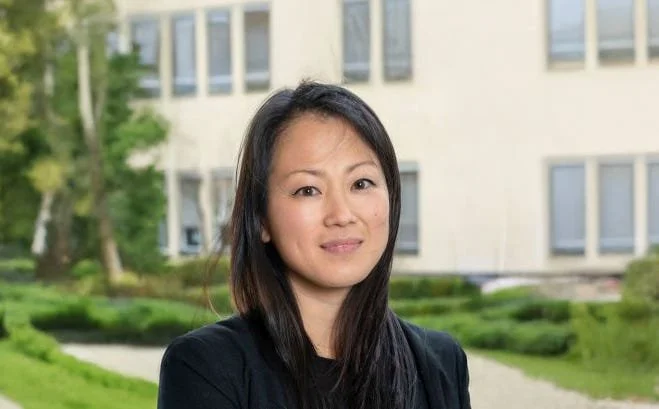
Prof. Dr. Soyoung Park
Professor and neuroscientist
What first drew you to breathwork?
Disbelief. An old friend who worked for the German military told me about the effectiveness of slow breathing, and I wanted to prove him wrong. Eight years later, together with my team, I had completed several experiments that all proved he was right. Then my friend Isabel Dziobek told me about the effects of circular breathing, and again I was quite skeptical, so I had to try it myself — and got hooked. That’s how it all started. Curiosity killed the cat!
What will you be sharing at Berlin Breathwork Days?
I will present our study on how slow breathing changes inter-organ dynamics, brain function, and optimizes our decision-making. Unfortunately, there are still too few solid scientific studies on this topic, and I am grateful that we can help fill this gap.
How have you found breathwork to be perceived within the neuroscience and academic communities?
In the last few decades, there has been quite a lot of disbelief, just as there was for me. I sense that there is huge interest in society, and breathers’ anecdotal experiences align strikingly with this interest. The neuroscience community is slowly but surely opening up to the idea that changes in the body can reset brain function and change us. We are living in very exciting times!
Richard Blake
Breathwork researcher, educator, and performance coach
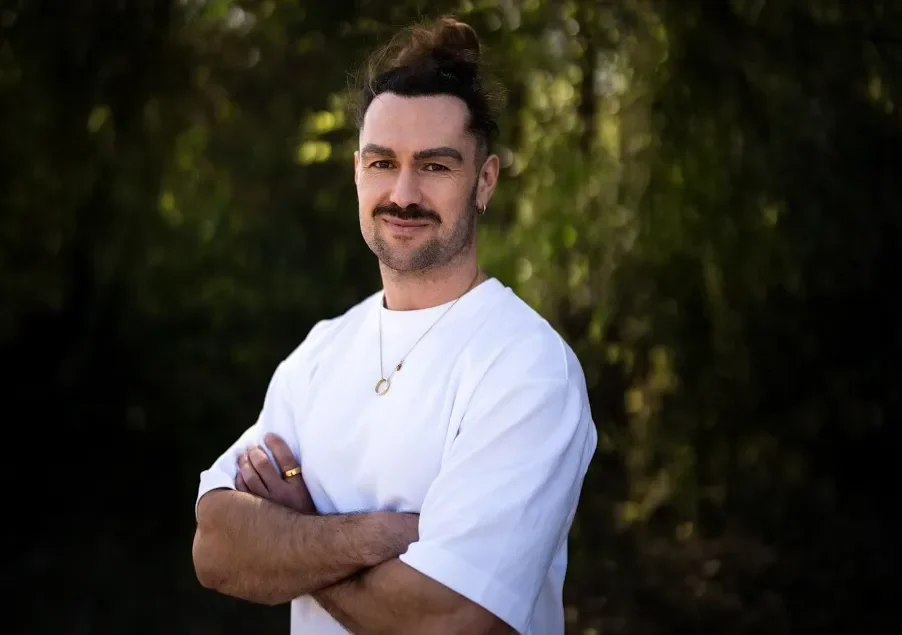
What first drew you to breathwork?
Struggling with an eating disorder, I’d tried everything; meditation, yoga, therapy. Someone suggested CCB and I expected something like a sound bath. Instead I lost all sense of time and completely left my body. That single session changed the direction of my life and eventually my career.
What will you be sharing at Berlin Breathwork Days?
I’ll be presenting my findings from the largest RCT on Conscious Connected Breathwork ever conducted, and the first fully online trial. I’m also giving a talk on the Treatment Prevalence Paradox: the puzzling fact that, unlike almost every other area of medicine, more treatment is not reducing mental illness rates.
What are the biggest ethical concerns in breathwork and wellness right now?
Certifications are too short, leaving practitioners underprepared. Trauma language has become unscientific and overused, personal responsibility and heritability are being downplayed while external blame, especially of parents, is being promoted. This may be a key driver of why more treatment isn’t making people better. aka misdiagnosis.
Sascha Zeilinger
Breathwork facilitator, coach, Wim Hof Method® Instructor, and founder of Spirit of Breath
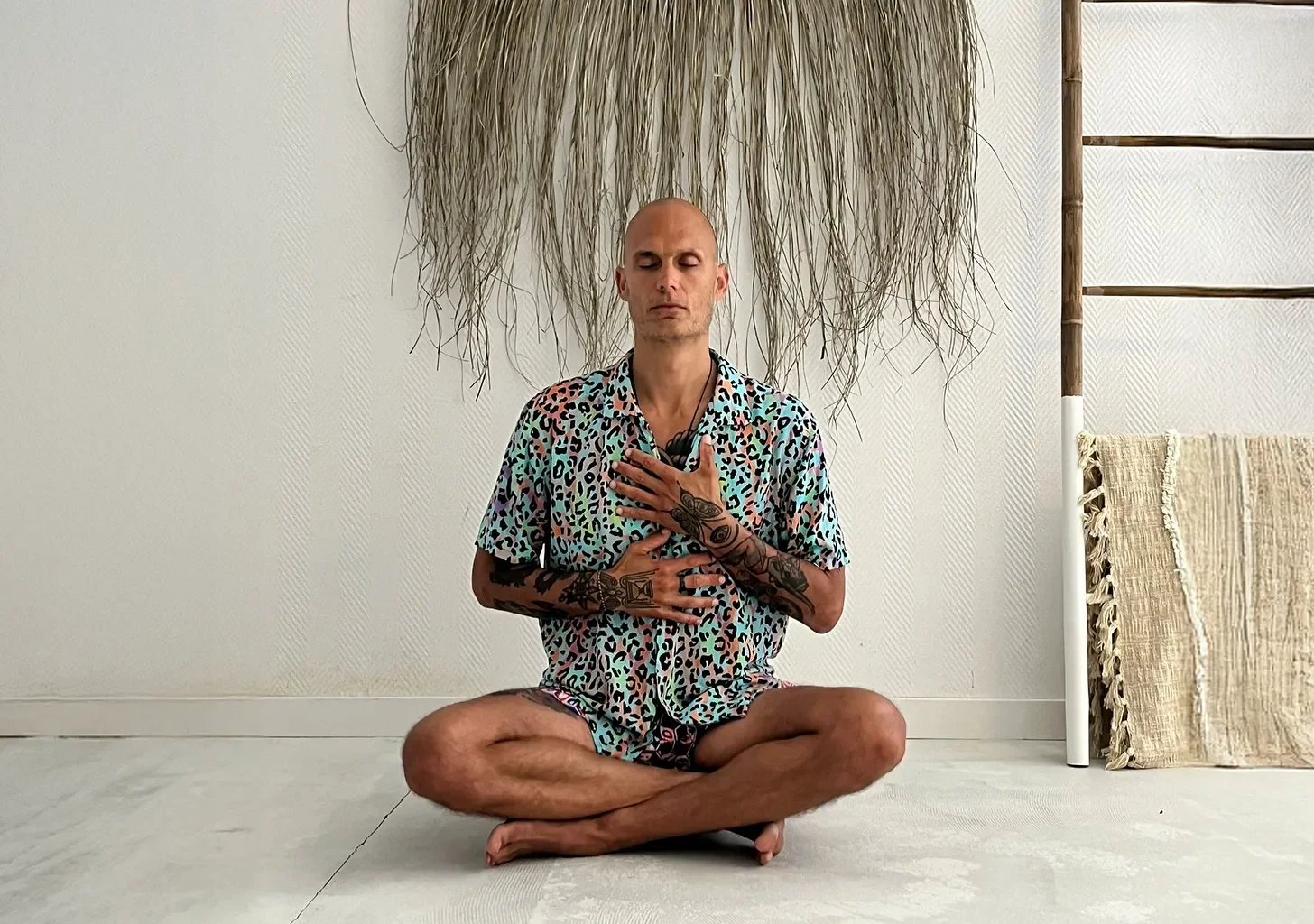
What first drew you to breathwork?
Pure curiosity. I only knew breathing through yoga and apnea diving, but my first breathwork session in 2017 was beyond words. Looking back, it changed the direction of my life and who I am today.
What will you be sharing at Berlin Breathwork Days?
On Friday, I’ll co-lead A Journey Through Breath & Sound with my co-founder of Spirit of Breath Collective, Indri Tulusan—an immersive experience combining movement, breath, and sound. On Saturday, I’ll lead a men’s-only breathwork session, which feels deeply meaningful to me.
What have you learned about yourself through the intersection of your work in breathwork and men’s work?
I’ve learned that I don’t have to do everything alone. I don’t have to hold it all together all the time, and it’s okay to ask for help. Most importantly, I’ve learned I’m not alone on this journey.
Dr. Martha Havenith & Dr. Abdel Nemri
Martha is a researcher at the Ernst Strüngmann Institute for Neuroscience and a certified Conscious Connected Breathwork facilitator. Abdel is a neuroscientist and a certified facilitator of Conscious Connected Breathwork. Together they wrote the book “The Breathwork Handbook: Understanding, practicing and facilitating breathwork”
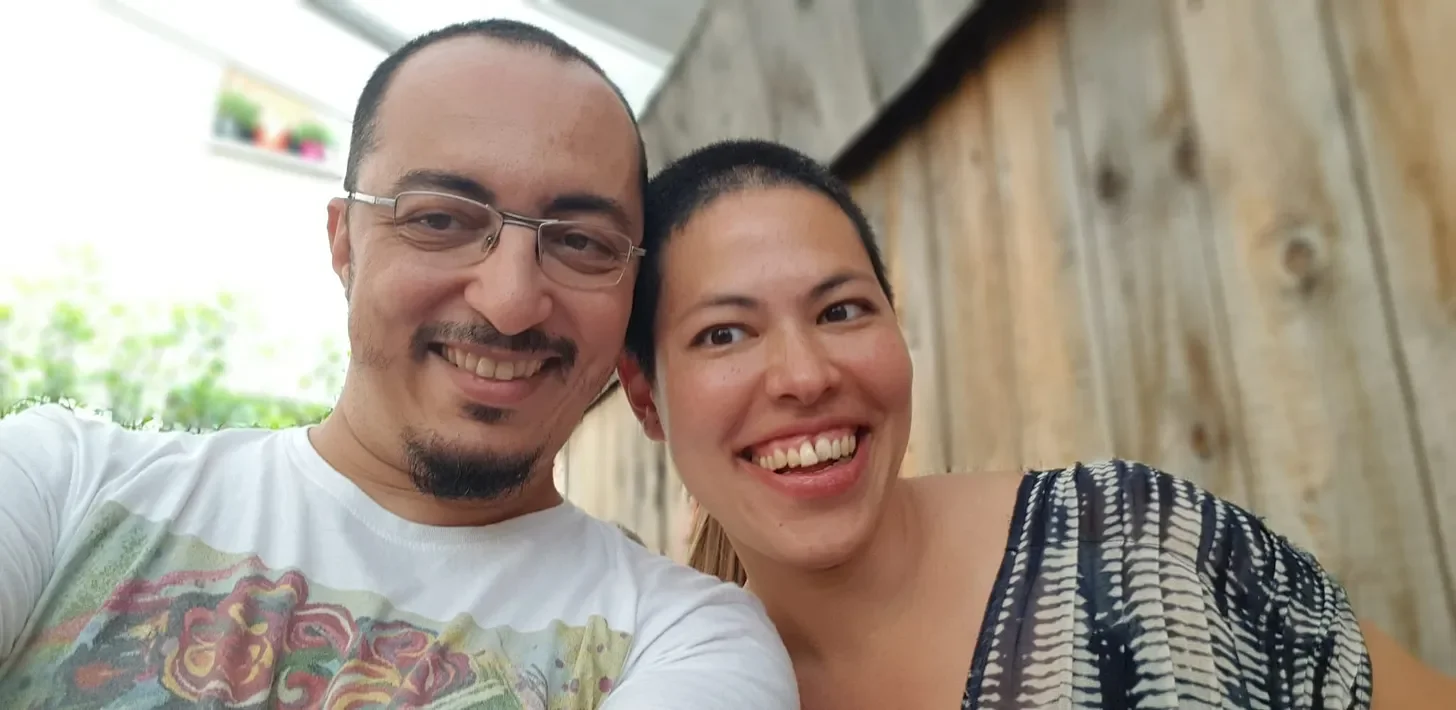
What first drew you to breathwork?
We first came across breathwork in our personal life. We had both reached a point where understanding our emotions didn’t seem to shift the way we were experiencing life. When we first tried breathwork, we were surprised how powerful such a deceptively simple practice could be in opening up unfiltered, embodied encounters with ourselves – while giving you full agency in navigating your experience. That’s why we ended up calling our organization ‘Into The Deep’ – because at its best, breathwork gives you the chance to meet (and befriend) yourself under the surface.
What will you be sharing at Berlin Breathwork Days?
We’re excited to share a few different aspects of our work! We offer an immersive breathwork workshop with focus on welcoming all parts of ourselves. Abdel will present work on mapping the breathwork field in a conceptual and embodied way, done in collaboration with the Berlin Breathwork Council, and Martha will talk about breathwork in the context of trauma– and share some brand-new results from our EEG study on the neuronal fingerprints of breathwork!
How can touch shape and support the experience of Conscious Connected Breathwork?
In our view (by now also backed by science), touch can be a powerfully supportive element of breathwork. Touch is a basic human language – one we understand long before we can speak. During deep breathwork experiences, words often don’t reach well. But touch can, and it can convey much-needed messages of safety, empowerment and care. Like any language, touch can be used to uplift or hurt, so it needs to be handled with empathy and respect. Skilled training for facilitators is crucial, just like psychotherapists train to use words with care. We see bodywork as the next exciting frontier for breathwork research.
Interested in attending Berlin Breathwork Days?
Soul Collective readers receive 15% off with code SOULCOLLECTIVE15