Five Holistic Treatments You May Not Have Heard Of - As Explained by Berlin Practitioners
We called on 5 practitioners we have personally worked with to share their insight on holistic treatments that might be new or unfamiliar to you.
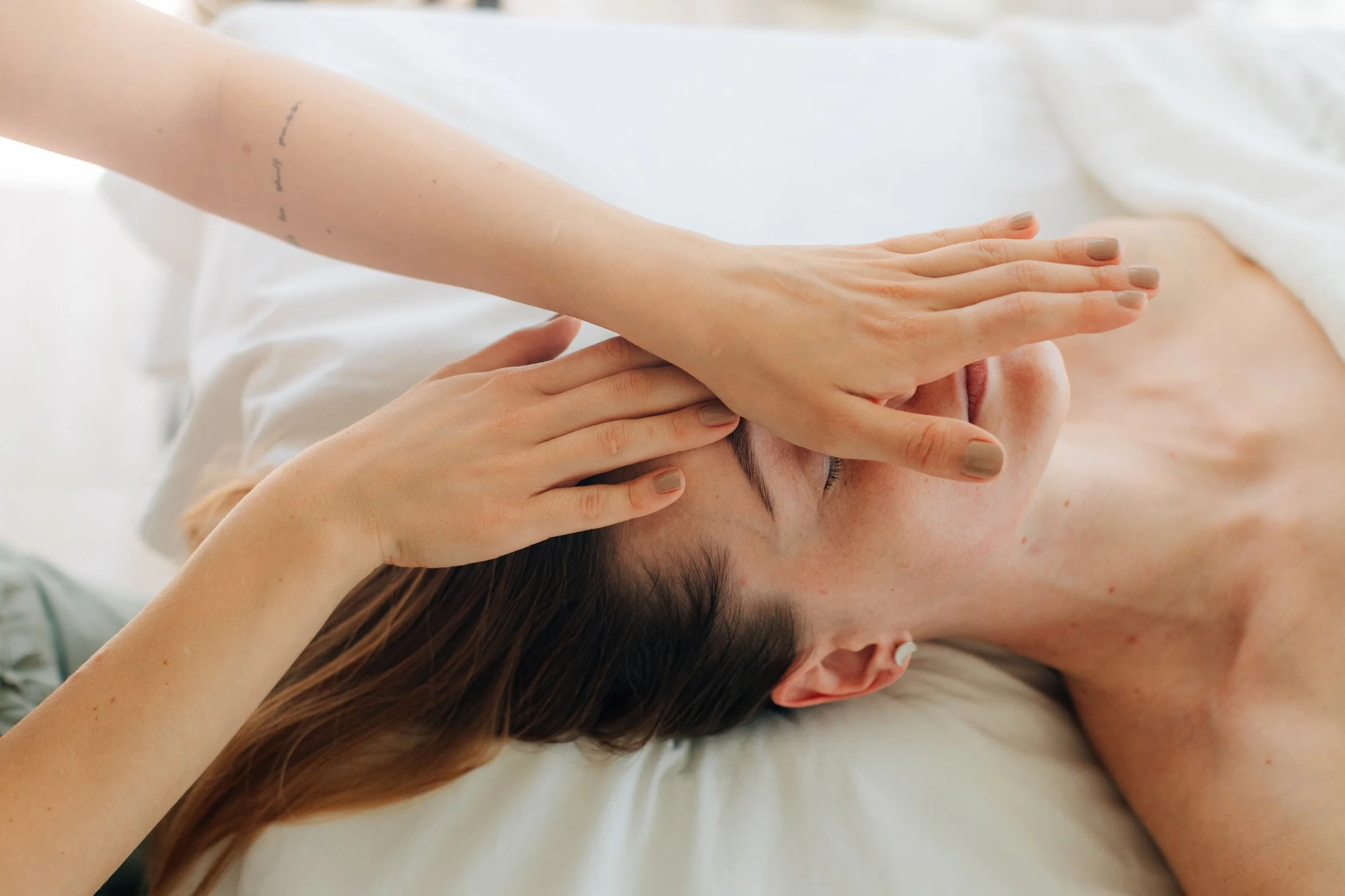
Photo by @sarahwisniewska
By definition, holistic means “dealing with or treating the whole of something or someone and not just a part”. This approach is often what’s missing when it comes to navigating our health, with many doctors not taking the time to look at the big picture. Within holistic care there are a wide range of specializations, from bodywork and subtle body practices, to movement therapies and plant-based systems.
Most people are familiar with treatments like massage and breathwork, but there are so many other incredible approaches out there, some of which you may never have heard of before. This newsletter aims to demystify some of the holistic treatments which may be helpful or supportive to you, and make them feel more approachable.
To offer a closer look at the world of holistic care, we’ve asked 5 different practitioners in Berlin to share their insights on modalities that might be new to you.
Dry Needling with Katharina Maksimow
Katharina Maksimow is a Heilpraktikerin (licensed natural health practitioner), physiotherapist (B.Sc.), Master of Public Health (MPH) and Pilates instructor – with a focus on the treatment of musculoskeletal complaints: pain and functional disorders of the spine, joints and muscles.
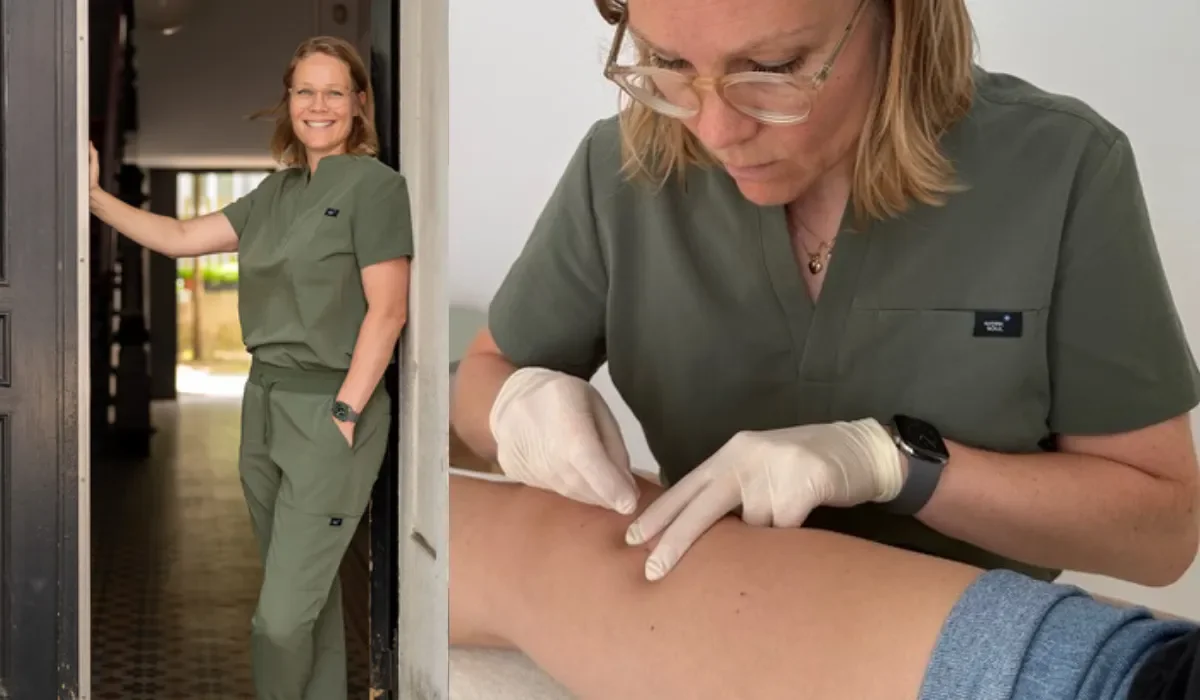
When people hear the word needling, they often think of acupuncture. While both techniques use the same type of thin, sterile needles, Dry Needling takes a different approach: it directly targets trigger points - those stubborn, sensitive “knots” within muscles or the surrounding fascia that can contribute to pain, stiffness, restricted movement, and sometimes even discomfort in other areas of the body. Trigger points often develop as a result of physical strain, repetitive movements, injury, stress, or prolonged postural habits. To release trigger points, stretching, massage, or exercise alone are often not enough. More direct approaches, such as manual trigger point release therapy or Dry Needling, may be needed.
During a Dry Needling treatment, fine needles are inserted directly into these trigger points. This may produce a brief local twitch response, often followed by a feeling of release in the muscle. The treatment can help reduce muscle tension, improve circulation and mobility, and support the body’s natural recovery processes.
Many clients report that their muscles feel lighter, more relaxed, and easier to move after treatment. For some, the effects are noticeable immediately; for others, improvements develop gradually over the following days.
Dry Needling can be particularly beneficial for people experiencing neck and back pain, shoulder tension, headaches, jaw discomfort, gluteal, hip, and leg pain, sports-related muscle issues, or chronic muscular tightness. It can also be valuable for those who feel that massage or stretching provides only temporary relief and are looking for a more targeted approach to addressing underlying tension patterns.
From a holistic perspective, Dry Needling is about more than simply treating a muscle. The body functions as an interconnected system, where physical tension, nervous system regulation, movement habits, and even emotional stress can influence one another. Releasing long-held patterns in the tissues can create space not only for physical recovery but also for greater body awareness and overall well-being.
While Dry Needling is not a stand-alone solution for every condition, it can be a highly effective tool within a broader therapeutic approach, supporting the body’s innate capacity to restore balance, movement, and resilience.
Craniosacral Therapy with Marie-Sophie Kiepe
Marie-Sophie Kiepe is an osteopath, embodiment educator, founder of the touch.® – guiding people toward healing and self-awareness. She has an upcoming 30hr hybrid training “the touch” (Online: 06.09 - 04.10.2026 / In-person: 16.10-18.10.2026), more info here.

Craniosacral therapy didn’t appear out of nowhere. It grew directly from osteopathy.
Osteopathy was founded in the late 1800s by Andrew Taylor Still, a physician who believed the body has an innate capacity to heal itself and that health depends on the unobstructed flow of fluids and movement through the tissues.
One of Still’s students, William Garner Sutherland, took this deeper. Through years of self-experimentation, he discovered that the bones of the skull retain subtle mobility throughout life, and that the rhythmic movement of cerebrospinal fluid - the fluid surrounding your brain and spinal cord - is a fundamental expression of health. He called this the Primary Respiratory Mechanism, and it became the foundation of cranial osteopathy.
It wasn’t until the 1970s that John Upledger separated this work from its osteopathic roots and rebranded it as craniosacral therapy, making it accessible to non-osteopaths. Wider reach - but a thinner container. In its original form, this was never a standalone technique. It was osteopathy listening at its most refined.
So what actually happens in a session?
From the outside, very little. A practitioner rests their hands gently on your head, sacrum, or feet. No cracking, no pressure, barely any movement. And yet people consistently leave feeling profoundly different.
A trained practitioner can feel the rhythm of cerebrospinal fluid through their hands. When that rhythm is restricted - through stress, trauma, or chronic tension - it affects how the nervous system functions and how contracted the body feels from the inside. Craniosacral therapy supports the body in releasing those patterns.
A few common misconceptions:
It’s not energy healing, though it can feel that way. The touch is light by design - not because nothing is happening, but because the nervous system responds better to invitation than force.
It can be especially helpful for:
Chronic stress, burnout, and nervous system disregulation
Headaches, jaw tension, and neck pain
Trauma held in the body
Postpartum recovery
People who feel too activated for deeper bodywork
If you’ve ever felt like your body is stuck in a pattern it can’t shift on its own - this is often where craniosacral therapy starts to make sense.
Flower Essences with Tash English
Tash English is the founder of Avant Garden and a qualified medical herbalist, acupuncturist, homeopath, systemic structure and family constellation practitioner. She is also part of Nourished Collective, where she offers a year-long Sensory Seasonal Herbalism course and co-hosts the Herby at Heart podcast.
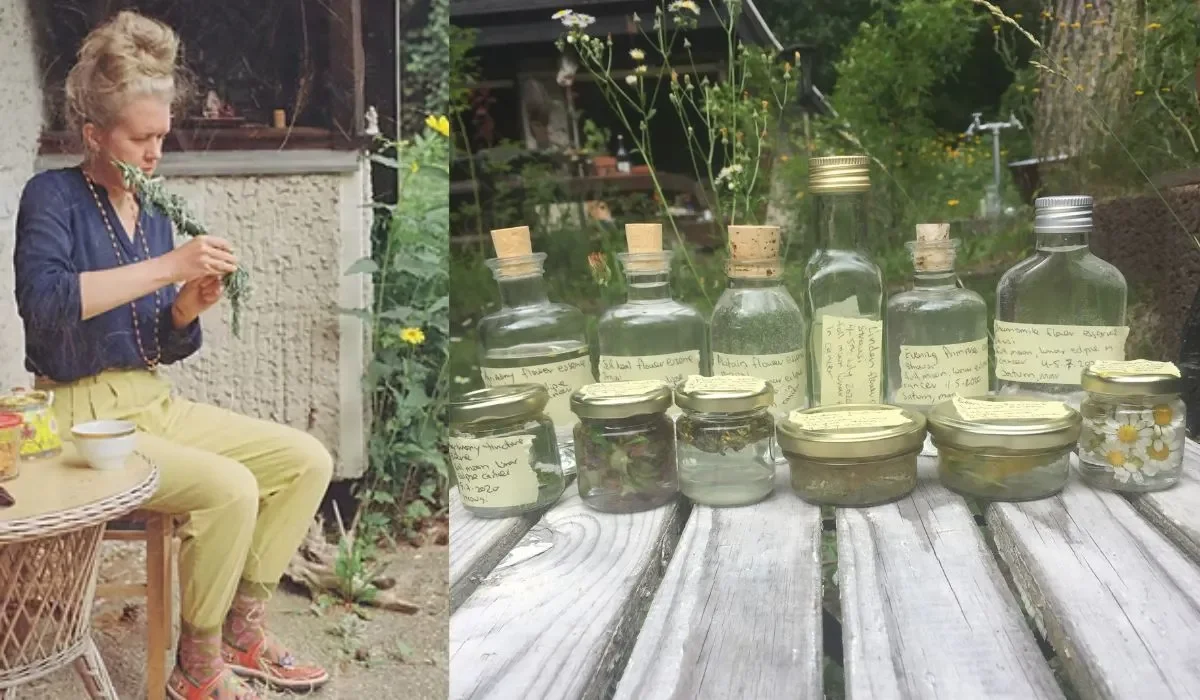
Flower essences are one of the oldest forms of medicine-making, when creating a flower essence, I work intimately with the plant, allowing it to gently whisper their secret healing wisdom.
They balance, repair, and stabilize our inner universe, working deeply on our emotional and energetic systems. They allow our vital force to flow freely, halting the domino effect that can lead to physical illness. They do not change who we are; instead, they enhance our positive qualities by resolving unhelpful emotions, thought patterns, and beliefs that no longer serve us.
They can be surprising and work in mysterious ways, often improving and enhancing areas of our lives that we did not expect. People often think that when something is soft, delicate, and subtle, it must have less to offer. Yet I have witnessed beautiful transformations in people, supported by flower essences in deep and healing ways. One should never underestimate the power of plants, no matter how small, gentle, or tender they may seem.
I create all of my own flower essences, allowing for a deeper connection with and understanding of each plant. In my clinic/praxis, they help patients reconnect with their body, mind and soul, allowing the life force within to flow symphonically and without restriction, supporting them in moving towards a balanced state of being.
They can be created into personalized mixes, alongside other healing modalities, added to herbal tonics or water, and applied both internally and externally. They are a beautiful and delicate form of herbalism, bringing a gentle touch to our inner, softer worlds. Flower essences are multifaceted. They can be used by every living being, including animals and plants. That’s what is so lovely about them, the sky is the limit, there are no restrictions, and the possibilities are endless. What a beautiful image.
Kobido Massage with Marta Lutomska
Marta Lutomska is the founder of Kobido.Berlin and a holistic practitioner specializing in Kobido Face Massage, as well as working with women as a retreat host, holistic wellness coach, and Dream Coach, with a background in yoga, somatics, and mindfulness.
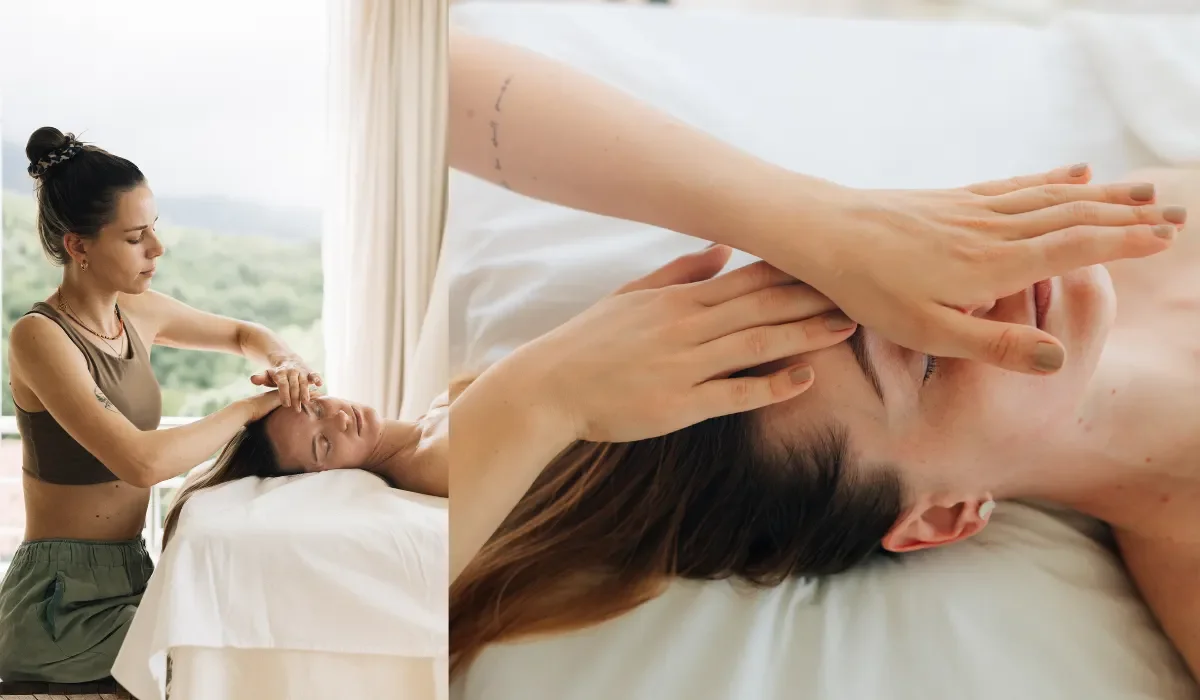
Photography by @sarahwisniewska
More and more women are looking for an alternative to Botox - not because they want to fight aging, but because they want to age well. That’s exactly where Kobido comes in.
Originating in Japan, Kobido is a natural facelift massage that works far beyond the face. Through precise techniques, it stimulates circulation, supports lymphatic drainage, releases tension in the fascia and awakens the facial muscles. I often describe it as a workout for your face.
As we age, facial muscles lose tone just like the rest of the body, yet we rarely think about caring for them in the same way. Kobido supports circulation, the skin’s natural regeneration and collagen production. For me, it’s less about anti-aging and more about healthy aging - supporting your skin naturally for the years to come.
What drew me to this work, however, wasn’t only the incredible visible results. With a background in yoga, somatics and mindfulness, I’ve always been fascinated by the connection between body and mind. Our face tells the story of how we’ve lived. We carry stress in our jaw, hold back emotions, swallow unspoken words and repeat the same expressions day after day. Hours spent looking at screens, rushing from one responsibility to the next and rarely allowing ourselves to truly slow down and rest gradually become written into our features.
Every ritual I create begins by releasing this deep tension before moving into lymphatic drainage, lifting techniques and acupressure. As the face softens, so does the nervous system.
Most women come for the natural lift, healthy glow and a gentler alternative to injectables. They return because they leave not only looking naturally younger and more radiant, but also feeling lighter, calmer and more like themselves. Many describe a deep sense of peace, clarity, fresh ideas or simply remembering what it feels like to truly slow down.
For me, that’s the true essence of my Kobido Rituals: not fixing anything, but supporting your skin, calming the nervous system and helping you reconnect with yourself - so you leave glowing not only on the outside, but from within.
Oxygen & Ozone Therapy with Janine Alonzo
Janine Alonzo is a licensed holistic practitioner focused on intestinal health, fatigue & burnout, hormonal health and detoxification.
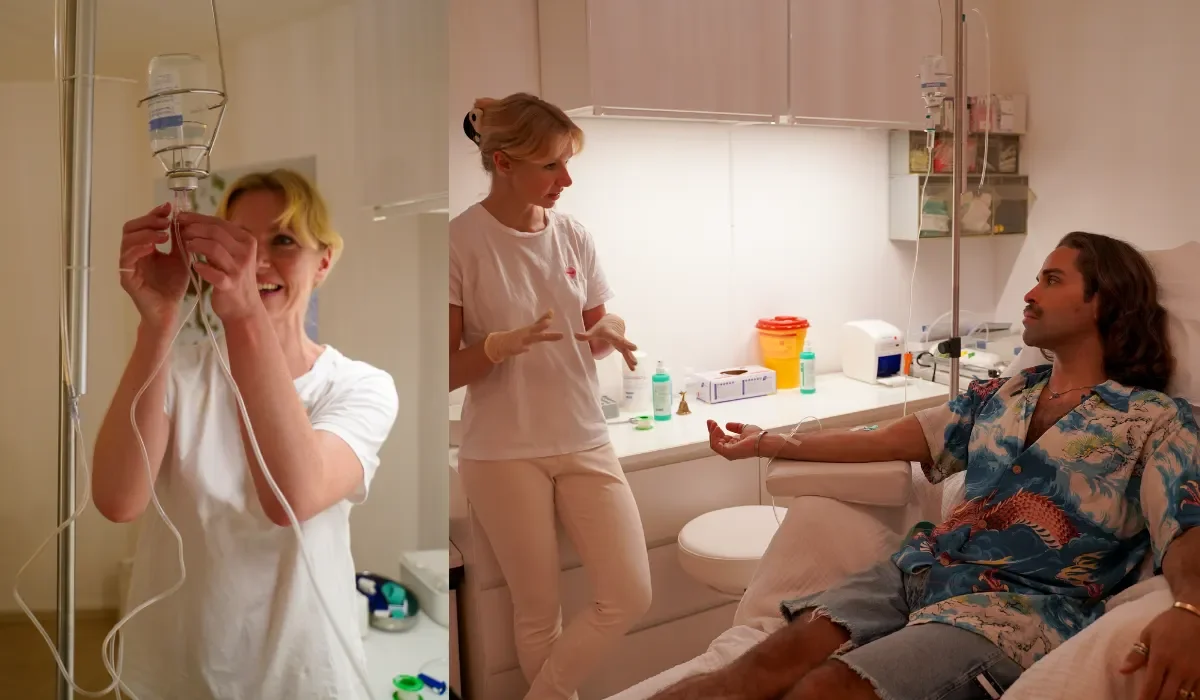
While it might sound like a modern innovation, oxygen and ozone therapy is actually a well-established modality in European holistic care, with roots tracing back to the 1950s and 60s. Today, it is frequently utilized as a supportive approach for individuals navigating chronic symptoms and looking to optimize their long-term well-being.
The Concept Behind It - In simple terms, the therapy involves administering a precise mixture of medical-grade oxygen and ozone intravenously. The primary goal of this approach is to support vascular health and improve microcirculation. By assisting with blood vessel dilation and encouraging healthy blood flow, it aims to optimize how efficiently the body delivers and utilizes oxygen at a cellular level - giving the body’s natural systems a supportive foundation to function from.
Areas of Application - Because this therapy focuses on foundational circulation and cellular vitality, it is often introduced as a complementary option for complex, draining health challenges. In my practice, it is commonly used to support individuals dealing with:
Chronic Fatigue & Long COVID: To assist with persistent low energy and brain fog by optimizing oxygen delivery.
Support for Chronic Infections: Such as Lyme disease or Epstein-Barr virus (EBV). Ozone is recognized in holistic medicine for its broad-spectrum antimicrobial properties (antibacterial, antiviral, and antifungal), making it a valuable tool for terrain support.
Vascular Care & Migraines: To encourage healthy blood flow and support vascular elasticity (useful for conditions like atherosclerosis).
Ultimately, this modality is not about a quick fix, but about creating the internal conditions necessary for the body to rest and recover. It is a gentle yet profound way to support your system from the inside out.