An Inside Look at Creating a Retreat Center with Thierry from Munga Plains
From corporate sales in Switzerland to the bush of Botswana, Thierry Nyfeler shares the failures, breakthroughs, and personal transformation behind Munga Plains retreat center.
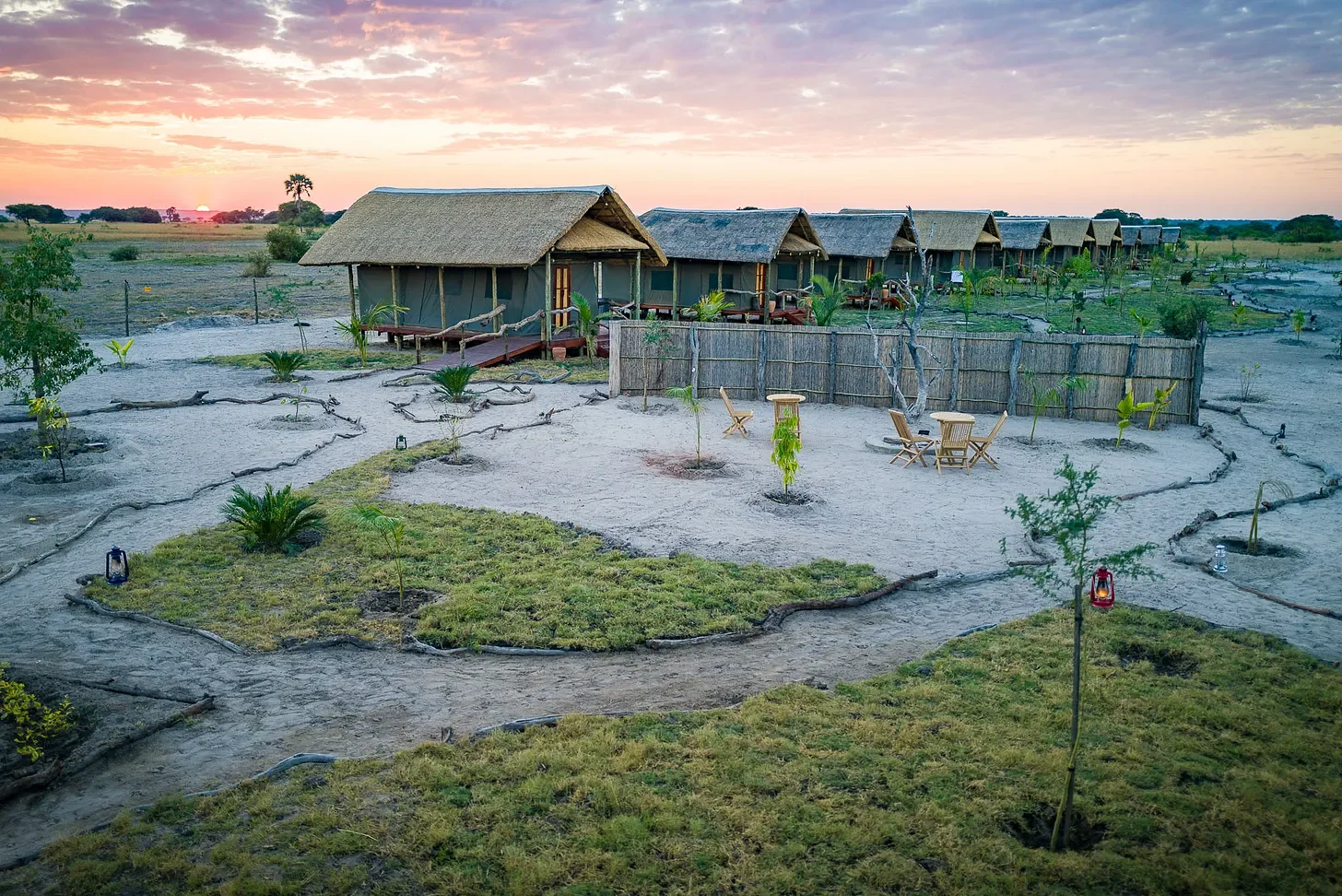
When I bought a piece of land on the flooded plains of northern Botswana in 2022, I didn’t have a master plan, or even know what I wanted to build. I only knew that something had changed in me the year before, on my first visit to this country, and that this time I would act instead of thinking myself out of it. What I completely underestimated was how much of myself would have to be dismantled and rebuilt along the way.
Today, Munga Plains is a yoga and safari retreat camp between Chobe National Park and the Okavango Delta. Told quickly, the story sounds easy, almost predestined: a man follows his dreams, leaves his corporate job, and successfully opens a safari camp in a country he barely knew. But the surface story hides everything that actually mattered, the scams and betrayals, the near-collapses, and above all the changes that had to happen in me for the place to exist at all. That’s why I ended up writing a book about it.
In this piece, I want to share what mattered most along the way: a week in the bush that changed the direction of my life, the numbing I had to quit before I could build a place dedicated to presence, and why the things we dream of building are never really built: they’re something we become.
A question in the bush
In 2021, I was a twenty-eight-year-old Sales Director at a tech company in Switzerland, with a lake-view apartment and a quiet, persistent feeling that I was living someone else’s life. Comfort can be a cage, and the more beautiful the cage, the harder it is to see the bars.
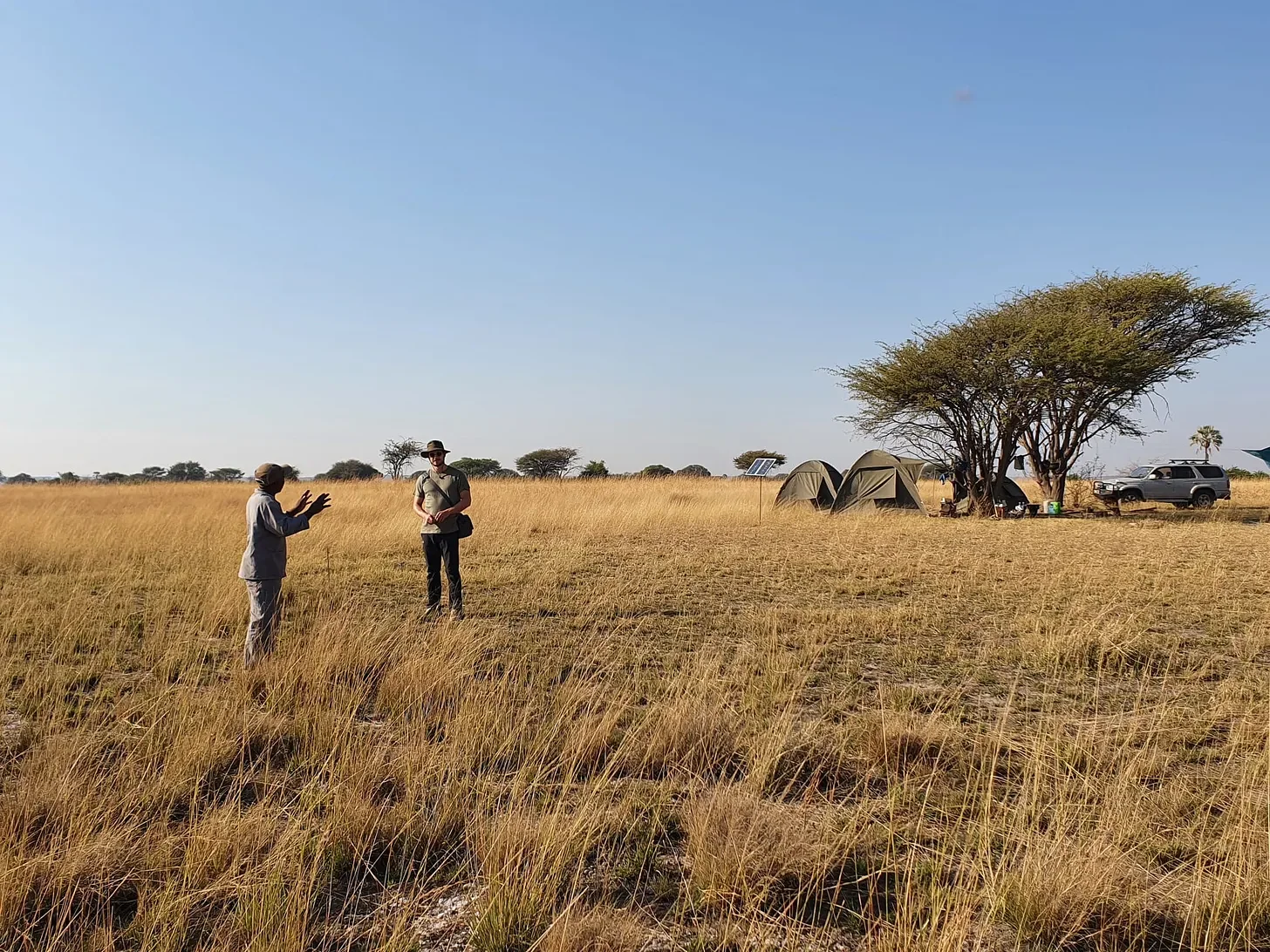
In May that year, I went on a mobile safari in Botswana: dome tents pitched directly on the ground inside the national parks, a bucket shower hung from a tree, no fences, no signal, no other people. The first nights were unnerving, freezing at every rustle in the dark, and one night elephants passed close enough to touch our tents. But within days the fear transformed into awe, and a humility I had never felt in a boardroom. Out there, you are not the protagonist. You are a guest.
Two things surprised me most. The first was how quickly we became kids again, unable to contain our excitement at each new sighting. We spent days tracking a pride of lions with our guide, and when we finally found them, close enough to see the whiskers on their faces, the joy was physical.
The second was the boredom. Mobile safaris involve a lot of waiting: long drives, hours at camp, no devices, no feed to scroll. At first the emptiness was uncomfortable, almost physically. I felt the phantom pull of my phone constantly; back home, boredom felt like failure. But with nothing to escape into, something shifted. My mind went quiet, and what replaced the noise was presence. In our over-scheduled lives, boredom might be the most underrated doorway to ourselves.
On our last day, at a gravel airstrip, our guide walked up to the pilot who had come to collect us and asked: “What is the news of the world?” We had been fully disconnected for a week, and it hadn’t mattered. That question, I understood later, summarized everything I had felt out there. We live constantly connected to the external world, and rarely present in our own. What I experienced in the bush for a week is what you might touch for an hour on the mat, and it’s something more and more of us need.
You will meet yourself before you meet your vision
Here is what the short version leaves out: almost everything went wrong, and most of it was my fault.
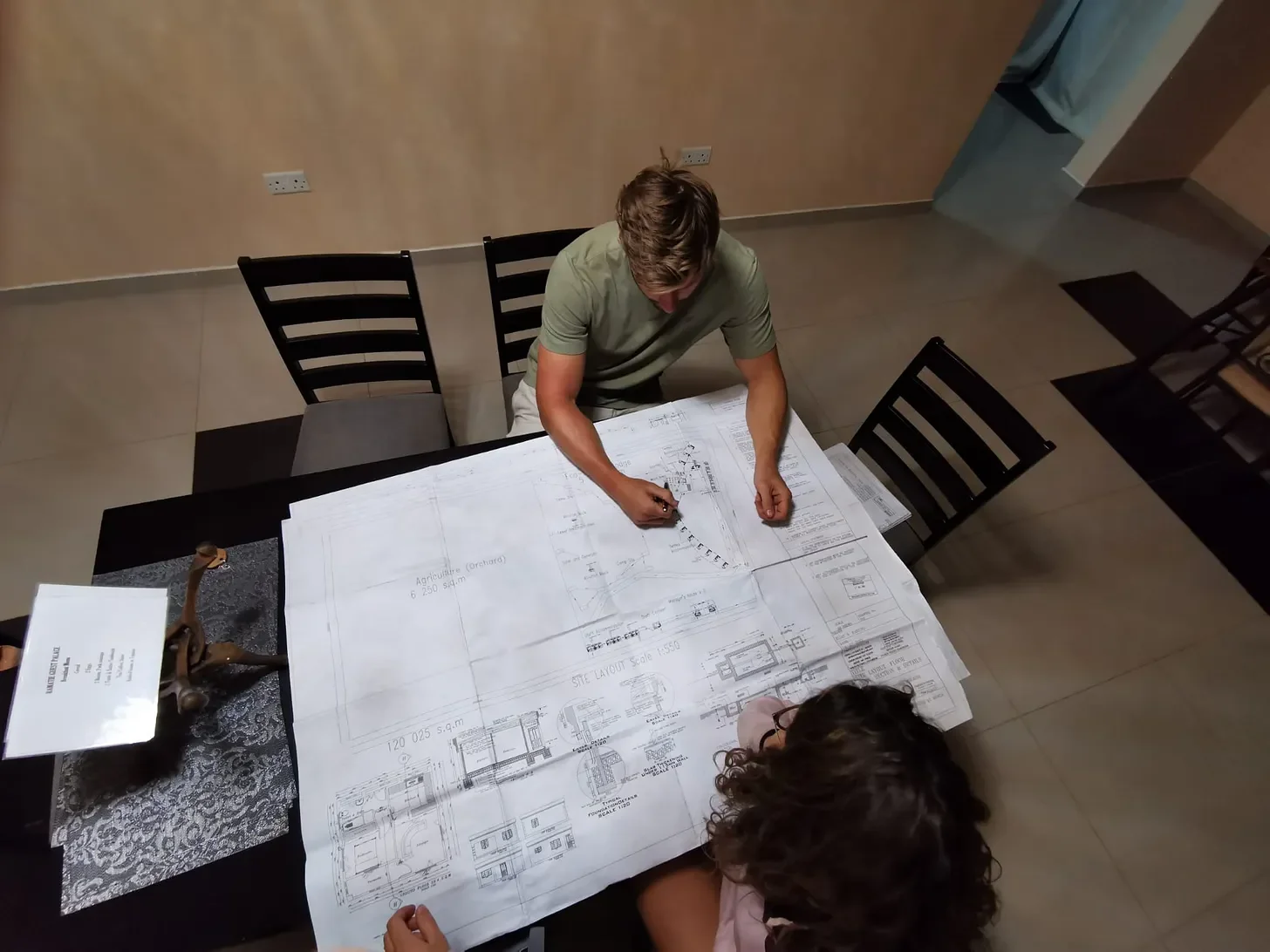
I invested in the land while keeping my job in Switzerland, trusting local partners and consultants to build ten thousand kilometers away from me. Money disappeared into invoices I couldn’t verify. Funding that had been promised never existed. By 2023, my savings were buried in a half-finished camp. Then two experienced German tour operators visited, and told me, harshly and directly, to give up. They could see the passion in me, and everything that passion was blinding me to. It stung for days, but it was one of the best things that ever happened to me: most people would have left without saying a word.
For a long time I told myself I was the victim of the people who deceived me. The harder, truer lesson was that my naivety and my ego had opened every one of those doors: the refusal to hear friends who raised concerns early, the wishful trust in anyone who told me what I wanted to hear. Any project of meaning holds up a mirror before it gives you anything.
You can’t build a home for presence while numbing yourself
The real turning point didn’t happen in Botswana. It happened in me.
For fifteen years I had run on a familiar operating system: perform all week, then drink and smoke it away on the weekend. It was normal, everyone around me lived the same way, which is exactly why I couldn’t see the trap. In May 2023, after one more weekend of celebrating success by destroying myself, I stopped both: no more alcohol, no more cigarettes. Initially just for a week, to reset. That week has lasted three years.
Sobriety gave me more than health: the clarity to face questions I had avoided for a decade, and the capacity to sit with discomfort instead of escaping it. Yoga, which I had long dismissed as not for me, became the practice that connected my body and mind for the first time. By the time the hardest confrontations of the project arrived, I was no longer the person who had first landed in Botswana. The camp could only become a place of presence once I had become present myself.
Constraints create vision
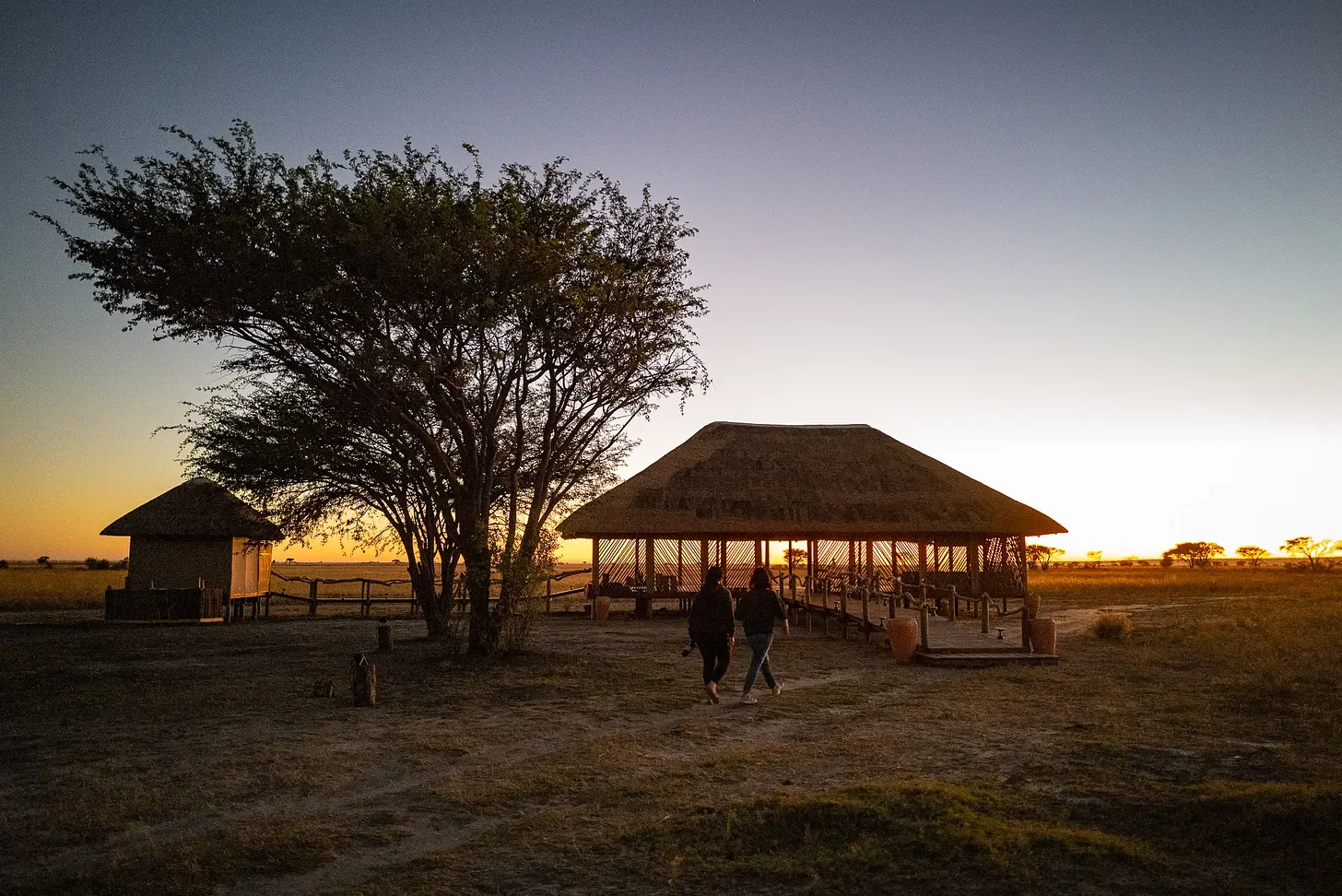
The idea that saved the project arrived on the drive back from that conversation with the German operators: an hour through Chobe National Park, no signal, elephants in the distance, alone with my anger.
When the anger passed, a question surfaced. What had I actually been trying to build? Not a lodge. Not a campsite. What I wanted to give people was what that first safari had given me: the transformation that becomes possible when you fully disconnect, move your body, and share the experience with strangers who become friends. The mat and the bush. That was the product. Everything else was logistics.
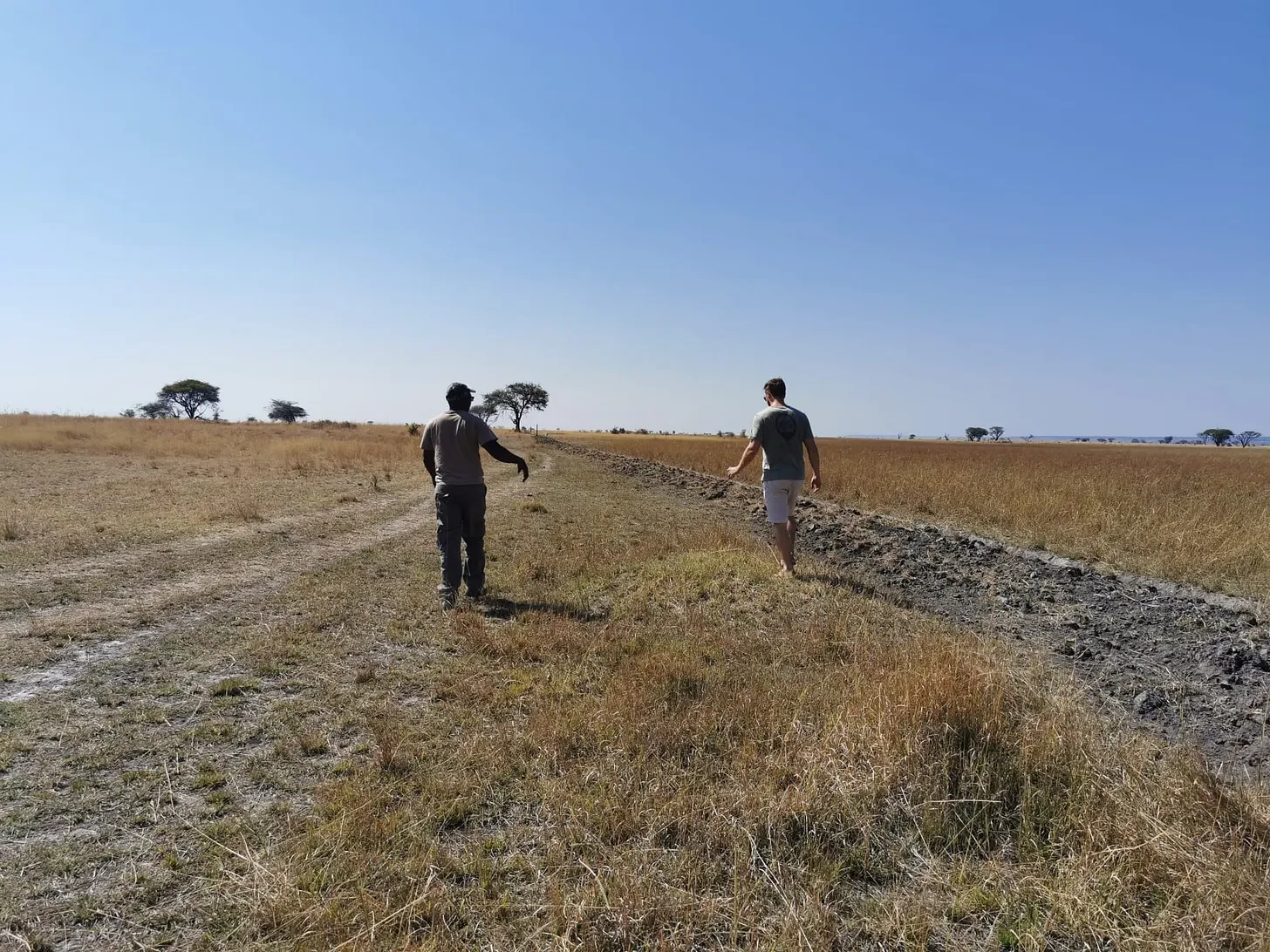
And suddenly, every “mistake” transformed. Structures built too far from the main camp, a design flaw for a hotel, became the perfect site for a yoga shala, reached by a meditative walk through the bush. The remoteness stopped being a problem and became the point. Some visions can only be found through failure.
A place is its people
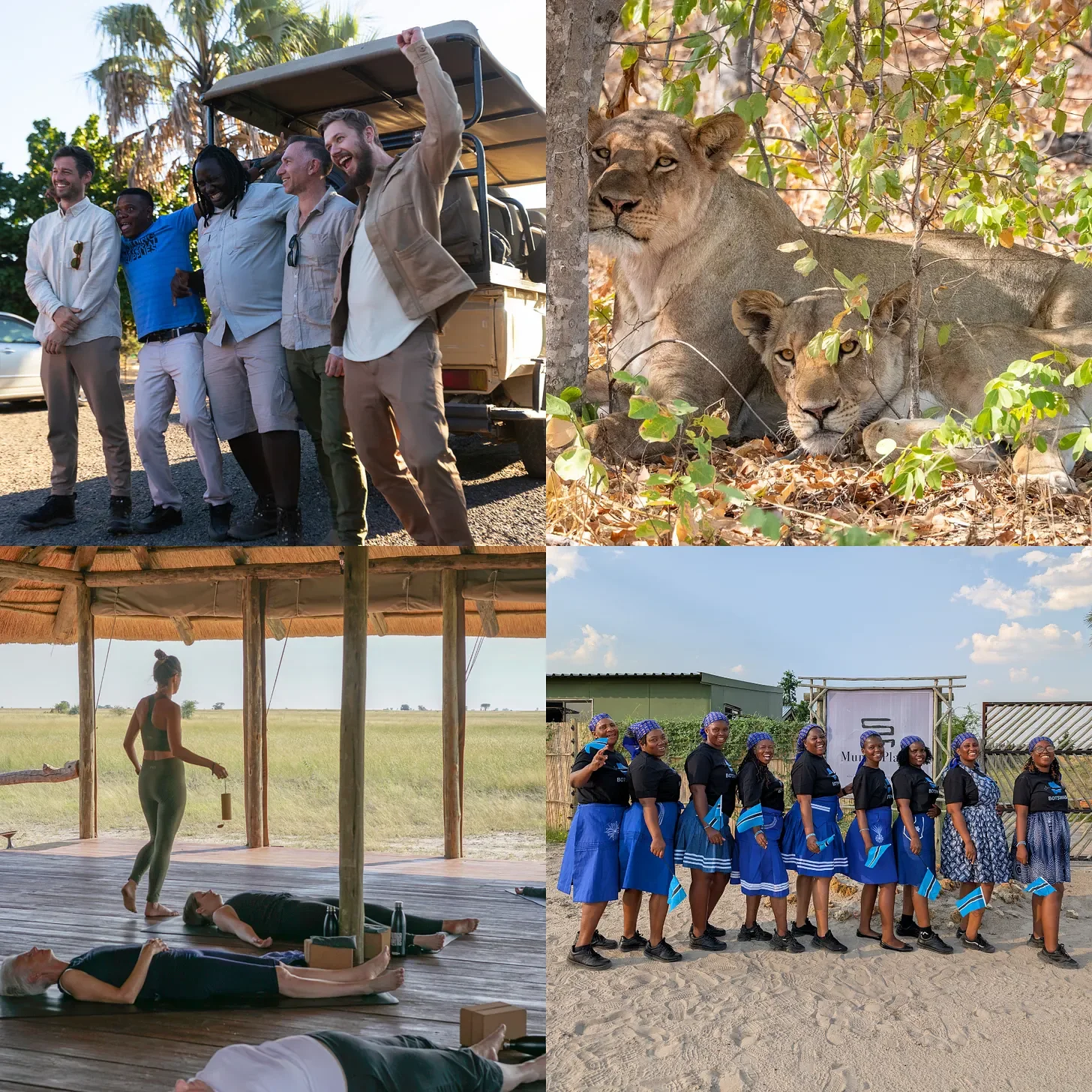
Today I don’t run Munga Plains alone. I never really did. Mosetsana, who grew up in a neighboring village and quietly helped me see the truth when I couldn’t, is now our Director. She built the team: guides whose stories make guests cry at dinner, a kitchen crew turning local recipes into something people describe as transformative. My sister Morgane, who became a yoga teacher along a path that strangely mirrored mine, works with me every day to bring retreat leaders on board and share this adventure with their groups. Most of our team comes from the villages around us; the camp lives in relationship with that community.
People ask what makes the place feel the way it does. I didn’t design it. It emerged, from years of getting it wrong, from honesty about our struggles, from decisions made from values rather than convenience. Places built on polished plans feel polished. Places built through struggle feel alive.
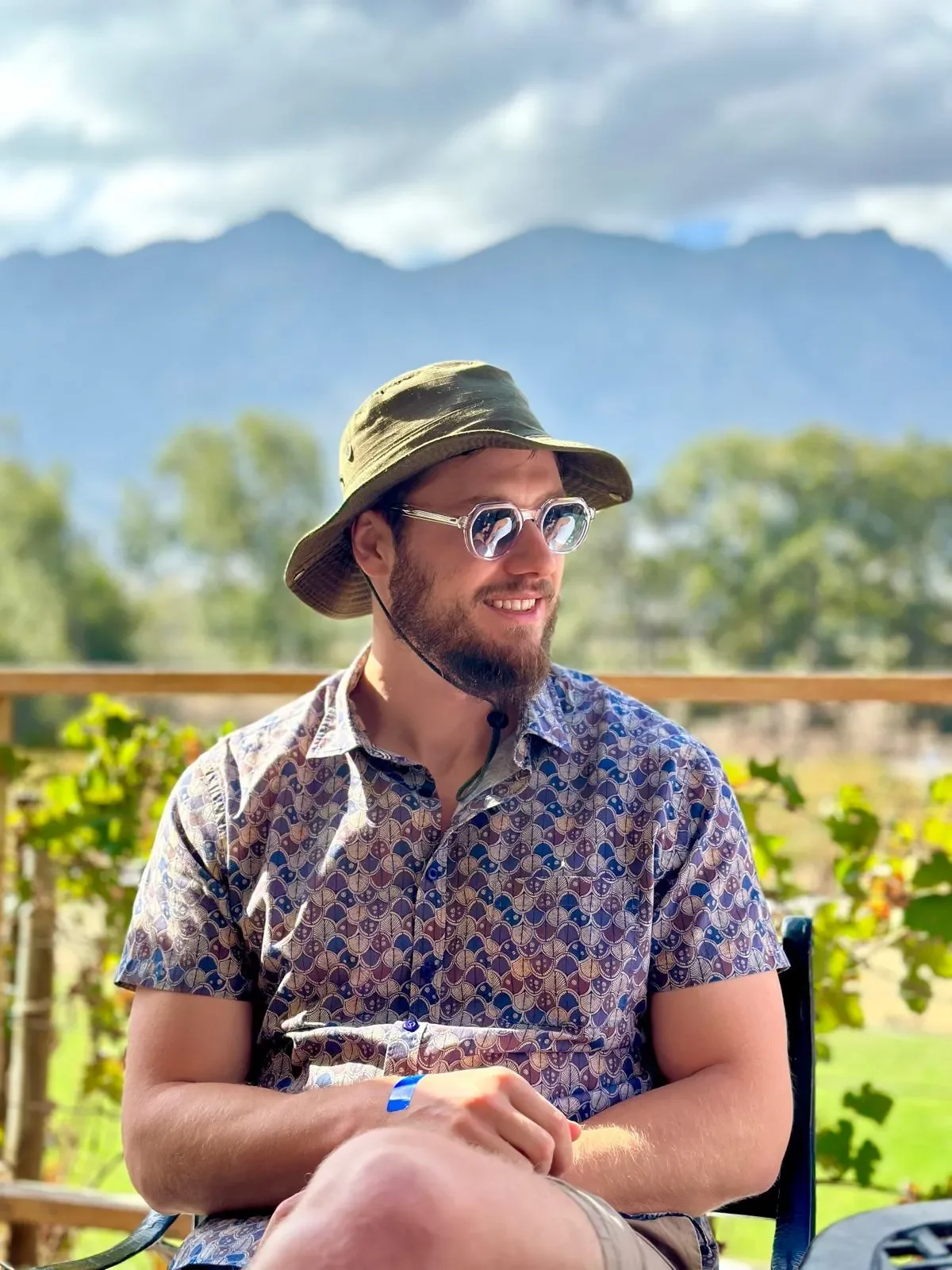
About Thierry Nyfeler
Thierry Nyfeler is the founder of Munga Plains, a yoga and safari retreat camp in northern Botswana that hosts retreat leaders and their groups for fully organized yoga and safari experiences. A former tech Sales Director from Switzerland, he tells the full story of his journey, the failures included, in his book What is the News of the World?, out now.
→ Learn more at mungaplains.com or follow on Instagram